
Category
- Agriculture
- Automobiles and Machinery
- Bank, non banking financing, investment
- Blasting
- Construction
- Consumables
- Education
- Energy
- Engineer , Architecture and Geodesy
- Finance, Audit,Accounting and Brokerage
- Food
- Foreign Trade
- Geology Exploration
- Health
- Information Technology
- Insurance
- Labor Safety
- Legal and Business consulting
- Lighting
- Mining equipment
- Mining Services
- Other product and service
- Road
- Sewing and textile products
- Transportations
- Travel
Events

Events
| Name | organizer | Where |
|---|---|---|
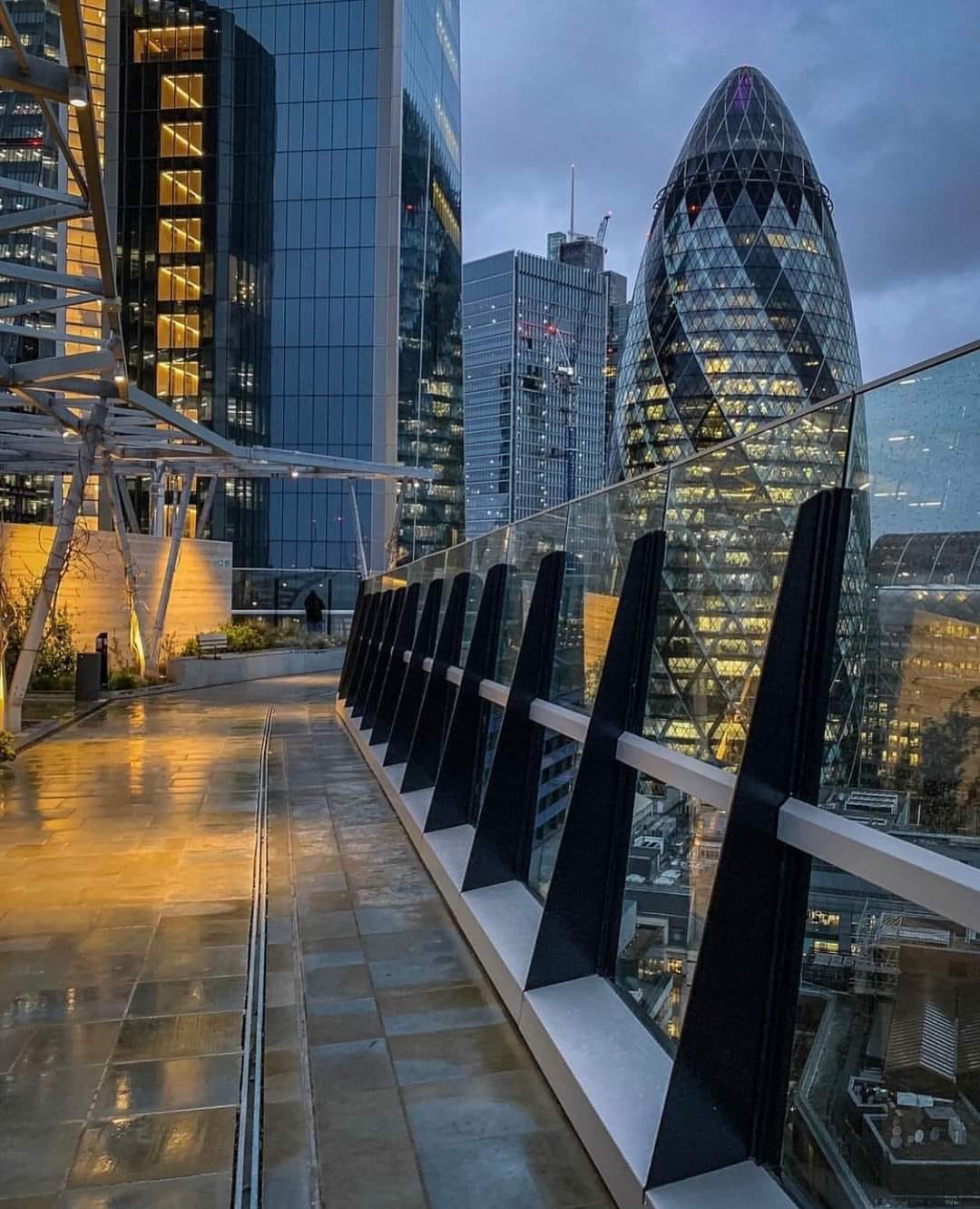
| MBCC “Doing Business with Mongolia seminar and Christmas Receptiom” Dec 10. 2025 London UK | MBCCI | London UK Goodman LLC |
NEWS
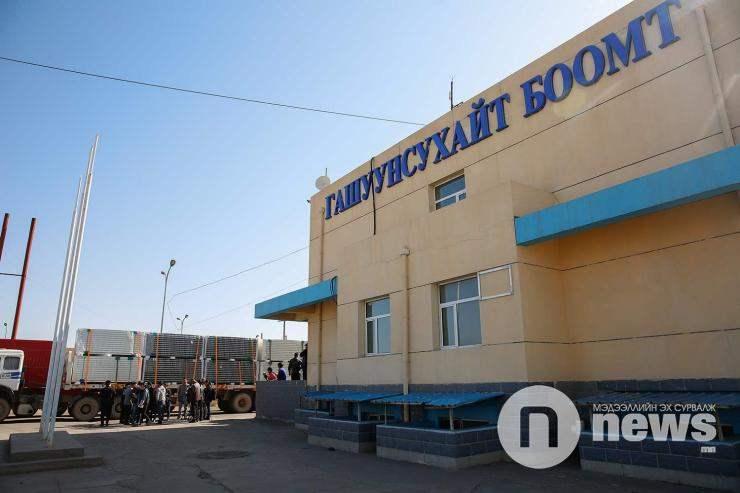
Mongolia orders ‘surveillance’ on Russia border after reported plague death www.arabnews.com
Mongolia’s government said on Wednesday that it had ordered “health surveillance” measures on its border with Russia after the reported plague death of a laboratory technician in Siberia.
“Although the current risk level is low, the Ministry of Health has instructed relevant agencies to take precautionary measures and maintain continuous surveillance and monitoring to prevent potential risks,” the ministry said.
It added that “border crossings in Selenge Province continue to operate normally, with health surveillance and monitoring measures being implemented at the border.”
Russian news outlet People of Baikal reported last Friday that a 28-year-old woman employed at a plague research institute in Siberia’s Irkutsk region north of Mongolia had died.
Russian authorities have played down the reports, saying the woman died of pneumonia and the cause was “undetermined.”
Russia’s health agency said on Wednesday it saw “no epidemic risks for the population.”
The Irkutsk region’s capital sees significant numbers of visitors from China on their way to the nearby Lake Baikal.
“China and Russia maintain close exchanges and cooperation on the prevention and control of infectious diseases, including plague,” China’s foreign ministry said on Tuesday, when asked if there were contacts with Russian authorities about the reported death.
...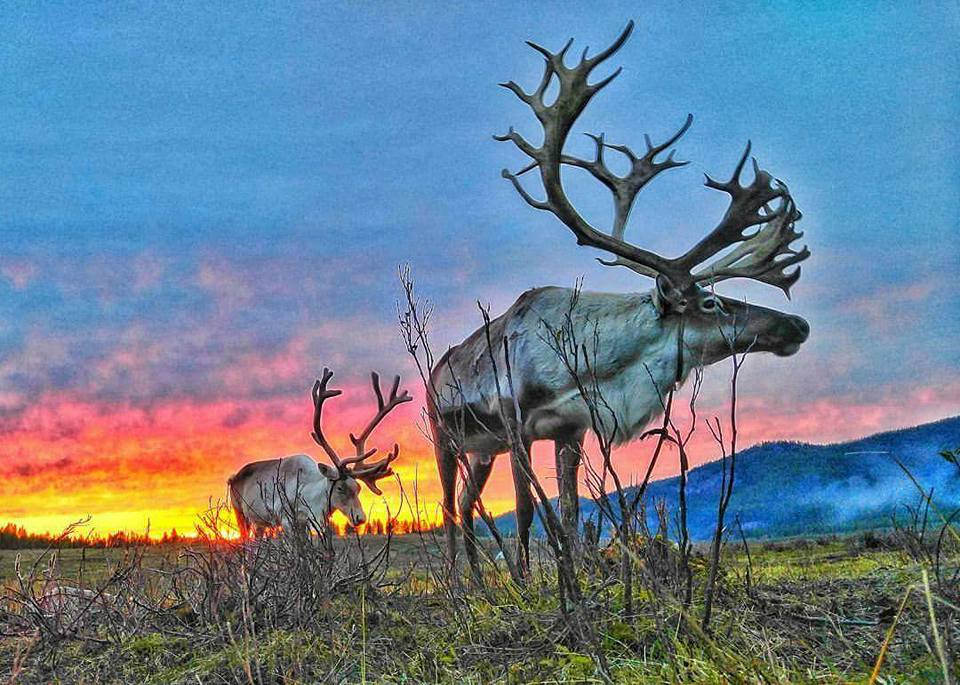
Beyond the end of the road: A four-hour horse ride to stay with Mongolia's reindeer herders www.bbc.com
Deep in Mongolia's taiga, reaching the Tsaatan takes multiple days by road, 4x4 and horse – but the reward is two nights immersed in one of the country's most remote communities
I duck as a pine branch whips over my head. The stocky horse beneath me pushes through a shallow stream, scrambles up the rock and crests the embankment. Tightening my grip on the saddle, we follow Zaya Oldov, our guide, across northern Mongolia's taiga awash in golden hour light. The silence breaks as hundreds of reindeer begin melting out of the forest around us. Soon, we're immersed in a sea of antlers and soft footfalls as the herds come home. Beyond them, a dozen conical ortz, reminiscent of North American teepees, sit along the far tree line, grey smoke snaking from their roofs.
A wave of relief washes over me. After three days of travel, we've finally reached the Tsaatan camp.
Mongolia's reindeer herders
Around 80 Dukha families, commonly known as the Tsaatan, live in a restricted border region near Russia, in one of Mongolia's most isolated landscapes. Unlike the country's traditional steppe pastoralists who move ger-to-ger only a few times per year, the tiny reindeer-herding community traverses harsh, uninhabited landscapes six to 40 times a year in search of fresh mountain moss and suitable weather for their herds.
Geena Truman The Tsaatan move their camps seasonally through northern Mongolia, travelling with their reindeer herds (Credit: Geena Truman)Geena Truman
The Tsaatan move their camps seasonally through northern Mongolia, travelling with their reindeer herds (Credit: Geena Truman)
Oldov is Tsaatan by marriage and Mongolian American by birth. Before she arrived in the taiga more than two decades ago, tourism here was rare. But today, thanks to her work developing the TCVC (Tsaatan Community and Visitors Center), visitors can stay with local families while supporting their livelihoods. Travellers sleep in an ortz, share tea and meals with them and learn about daily life with the reindeer herds. The only way to book is via WhatsApp with Oldov.
The journey in
Three friends and I had organised two nights with the community while we were road tripping through Mongolia. That horseback ride was only the last stage of a much longer journey to reach the Tsaatan.
From Ulaanbataar, we hired a car and drove 630km (391 miles) north to Mürün, the regional gateway to the taiga, following a paved road through Mongolia's open grasslands. There, we collected the permits required to enter the restricted border region before continuing towards the "town" of Tsagaannuur.
Geena Truman The journey to the Tsaatan camp crosses remote wetlands, forests and river valleys in northern Mongolia (Credit: Geena Truman)Geena Truman
The journey to the Tsaatan camp crosses remote wetlands, forests and river valleys in northern Mongolia (Credit: Geena Truman)
The next leg took us two days off-road, across deep river crossings, swampy traverses, mountainous climbs and a nearly entirely map-less route. By the time we reached a wooden homestay near Tsagaannuur's deep-blue lake, we had been on the road for 22 hours.
Oldov arrived early the next morning to meet us, several small horses in tow. "They aren't the easiest horses to ride," she warned, "they tend to spook at anything white in the grass." As a relatively inexperienced rider, I braced myself for the four-hour trot. Raw, rugged and completely undeveloped, the landscape oscillated from wild coniferous forest to grassy hills cut by streams and waterlogged wetlands. Our horses picked their way across the changing terrain, saddlebags bulging with supplies, until we finally arrived at our destination.
Life at camp
Stepping inside our ortz, four narrow wooden bed frames lined the walls around a small charred black fireplace with a round chimney. There is no electricity, running water or decoration beyond what can be packed and moved with the camp.
Geena Truman Zaya Oldov helped develop the Tsaatan Community and Visitors Center, connecting visitors with local families (Credit: Geena Truman)Geena Truman
Zaya Oldov helped develop the Tsaatan Community and Visitors Center, connecting visitors with local families (Credit: Geena Truman)
"The wintertime temperatures plummet to -58C [-72F]," said Oldov. "During those months, we construct shorter, smaller ortz to better retain the heat."
Fortunately, it was August. The peak season to visit the Tsaatan, for obvious reasons.
Plan your trip:
Accommodation: Visitors sleep in a traditional ortz within the Tsaatan community. Conditions are basic, with no running water or electricity. Meals, bedding and all other necessities are provided.
Booking: Contact Zaya Oldov on WhatsApp at +976 9977 0480 to arrange the stay, transport and permits. Fees go directly to the local community. Prices vary by group size and season; expect to pay around $200 (£151) per person for two nights.
How to get here: Most travellers fly from Ulaanbaatar to Mürün, then arrange a 4x4 transfer to Tsagaannuur through Oldov. From Tsagaannuur, the final leg is by horseback and varies depending on the community’s seasonal camp location.
How long to stay: Minimum three days/two nights, though longer stays can be arranged.
Permits: The camp is in a restricted border region near Russia, so visitors need permits, which can be arranged in Mürün with assistance from the TCVC.
The camp had moved here only weeks earlier, its 17 ortz and possessions transported on reindeer backs. This summer location meant our final leg by horse took around four hours; at other times of year, it can take eight to 12 hours.
The herd was never far away from camp. Reindeer are central to life in the Tsaatan community. Each family's herd provides milk for their dairy-rich diet of cheese, yoghurt, cream, butter and the salty tea that's ubiquitous as water out here. Reindeer are rarely slaughtered for meat, so that night's dinner was sheep.
Without refrigeration, the organ meat is always eaten first. That evening we ate boiled sheep liver, kidneys, intestines and stomach, alongside warm, freshly made fry bread. "Tomorrow, you'll get to meet the community," Oldov told us. "And the rest of the day is yours."
In the morning I was woken by the rhythmic hollow-clicking of reindeer ankles, a sound that helps keep the herd together when visibility is nil during passing Siberian blizzards. The camp was already awash with activity. Men chopped the firewood they had dragged by horse from forests miles away while the women filled silver buckets with milk from bridled reindeer carefully selected from the hundreds sleeping within the trees.
Geena Truman Since the camp has no refrigeration, organ meats are traditionally eaten soon after the slaughter (Credit: Geena Truman)Geena Truman
Since the camp has no refrigeration, organ meats are traditionally eaten soon after the slaughter (Credit: Geena Truman)
Although still traditional, life in the taiga is changing. Restrictions on hunting, alongside the effects of climate change, have increased the community's reliance on cash income. Oldov said that tourism now provides one source of that income, allowing local families to host visitors while remaining with their herds.
Meeting the community
Later that day, Oldov took us from ortz to ortz, introducing us to families and showing us how daily life in the camp works. We dropped off essential goods we had brought as part-payment for our stay: flour, salt, black tea and AA batteries. At each home, we were offered generous cups of reindeer milk tea.
Geena Truman The deel, a traditional robe, is still worn by many members of the community (Credit: Geena Truman)Geena Truman
The deel, a traditional robe, is still worn by many members of the community (Credit: Geena Truman)
In one ortz, an elderly woman pulled a bulky pink plastic clock from the pocket of her deel, a traditional robe, and fiddled with the batteries. It hadn't worked for weeks. We adjusted the contacts and the clock blinked back to life before we used our smartphones to reset the time. In a place where almost everything must be carried between seasonal camps, even a plastic clock earns its spot by running for months on two batteries.
In another home, strips of meat hung drying in the warmth of the fire, alongside deerskin bags filled with juniper and other plants gathered from the surrounding forest. A local medicine woman explained, through Oldov, how different herbs are used in traditional remedies, from Siberian pine for colds to bergenia crassifolia (bear pine) for stomach problems. For spiritual or psychological ailments, she said, people turn to the shaman.
Geena Truman Shamanic traditions remain part of spiritual life among the Tsaatan (Credit: Geena Truman)Geena Truman
Shamanic traditions remain part of spiritual life among the Tsaatan (Credit: Geena Truman)
Our final visit was with the community's shaman, who plays a spiritual role within Tsaatan life. Inside her ortz, she showed us an elaborate ceremonial headdress passed down through generations, decorated with ribbons, dried eagle feet and strips of animal hide. Juniper smoke hung in the air as we offered our final donation: a bottle of Russian vodka, the spirit she said is used in rituals and duties for the community.
Leaving the taiga
On our last night, I stepped outside my ortz in the frigid chill, my camera pointed towards the Milky Way erupting across the sky, unbroken by artificial light. A reindeer wandered into the frame as I pressed my shutter.
After two nights in camp, leaving felt abrupt, especially after the long days it took to get here. As we rode back towards Tsagaannuur, Oldov seemed to understand my reluctance to return to civilisation. More than two decades ago, she arrived here herself – and never left.
"It was this profound sense of peace that has kept me here," she said.
...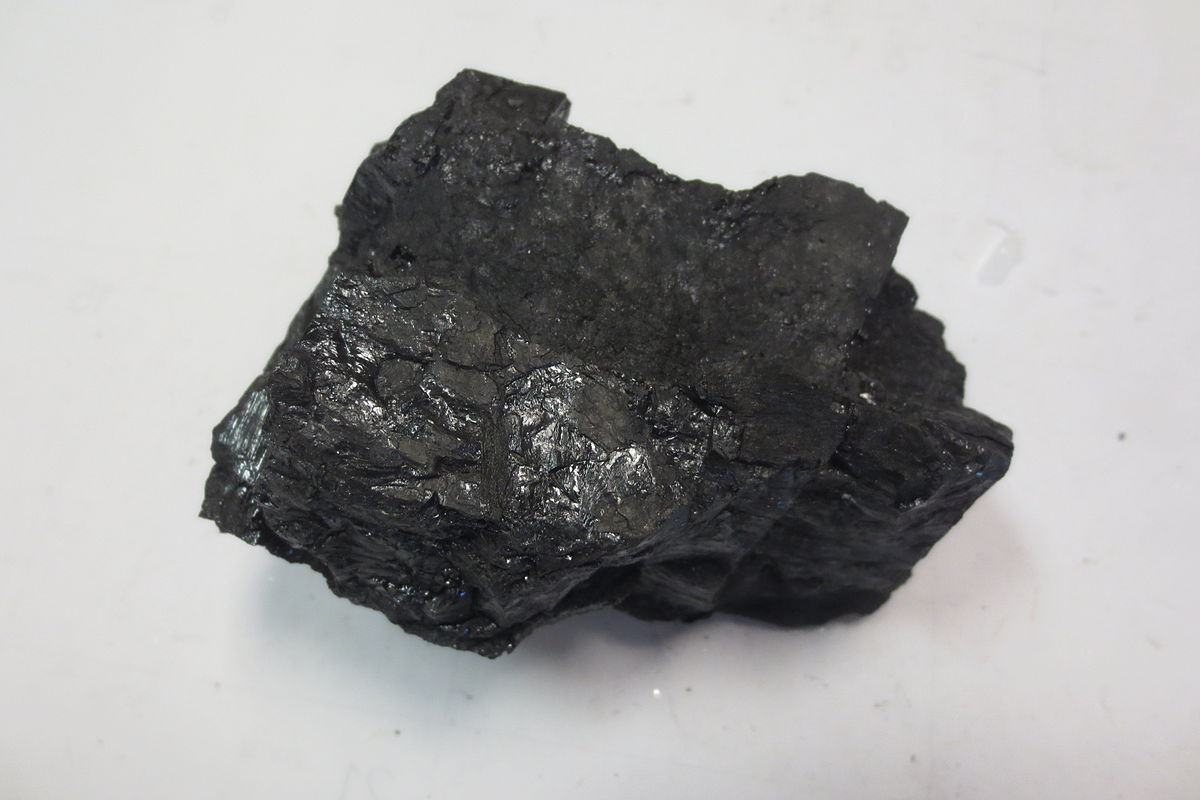
Russian Coal Exporters Lose Ground On International Markets — Intelligence www.uatv.ua
According to FISU’s data, over January-August, Russian coal deliveries to China fell 10.8% year-on-year, to 53.15 million tons.
“Russia has lost its place among the largest suppliers. Imports from Mongolia over this period grew 48.9%, to 78.39 million tons, while supplies from Indonesia reached 121 million tons. In total, China imported 310 million tons over eight months,” the agency noted.
As FISU noted, Mongolia is increasing deliveries thanks to significantly cheaper logistics and zero tariffs. A shared land border with China gives it an advantage over Russian coal from Kuzbass, which is shipped via the overloaded Eastern Polygon railway. Import tariffs on Russian coal in China remain at 3-6%, while Mongolia, as well as Australia and Indonesia, enjoy zero rates under free trade agreements.
Intelligence data shows Russian companies are already offering discounts of around 10%, but there’s practically no room left for further price cuts. Bigger discounts would mean selling at a loss. So even with current price concessions, Russian suppliers will struggle to hold onto their share of the Chinese market, with Mongolia remaining the main beneficiary of this process.
Thermal coal exports could be hit hardest in the near term. They’re under simultaneous pressure from competition with Chinese mines, import tariffs, and rising transport costs. Starting in October, railway tariffs in Russia are rising again, while demand for gondola cars is driving up the cost of using them.
According to FISU, the cost of shipping coal from Vostochny port to China rose 45.5% from the start of the year to September 11. In September, the profitability of thermal coal exports from Kuzbass via Far East ports rose 30% compared to August, and threefold compared to last year.
The problems extend to other directions as well. Over seven months, Russian exporters cut coking coal deliveries to Turkey by 30%, and in July shipped no batches there at all. One reason cited is the complication of shipping in the Black Sea.
In July, coal shipments to Russia’s southern ports fell 33% compared to June. Besides problems with Black Sea logistics, deliveries are under pressure from rising railway tariffs and the high cost of transshipment through Northwest ports.
“Russian coal companies are simultaneously losing their competitive edge in foreign markets and facing rising costs domestically. They can no longer lower prices further without risking operating at a loss, and more expensive shipping is squeezing an already limited margin. In the Chinese market, this is already showing up as a decline in Russian deliveries, while competitors increase their volumes,” FISU states.
As previously reported, Russians have sharply increased transfers of funds to foreign brokerage accounts, trying to move capital out of the country before it becomes impossible to do so.
...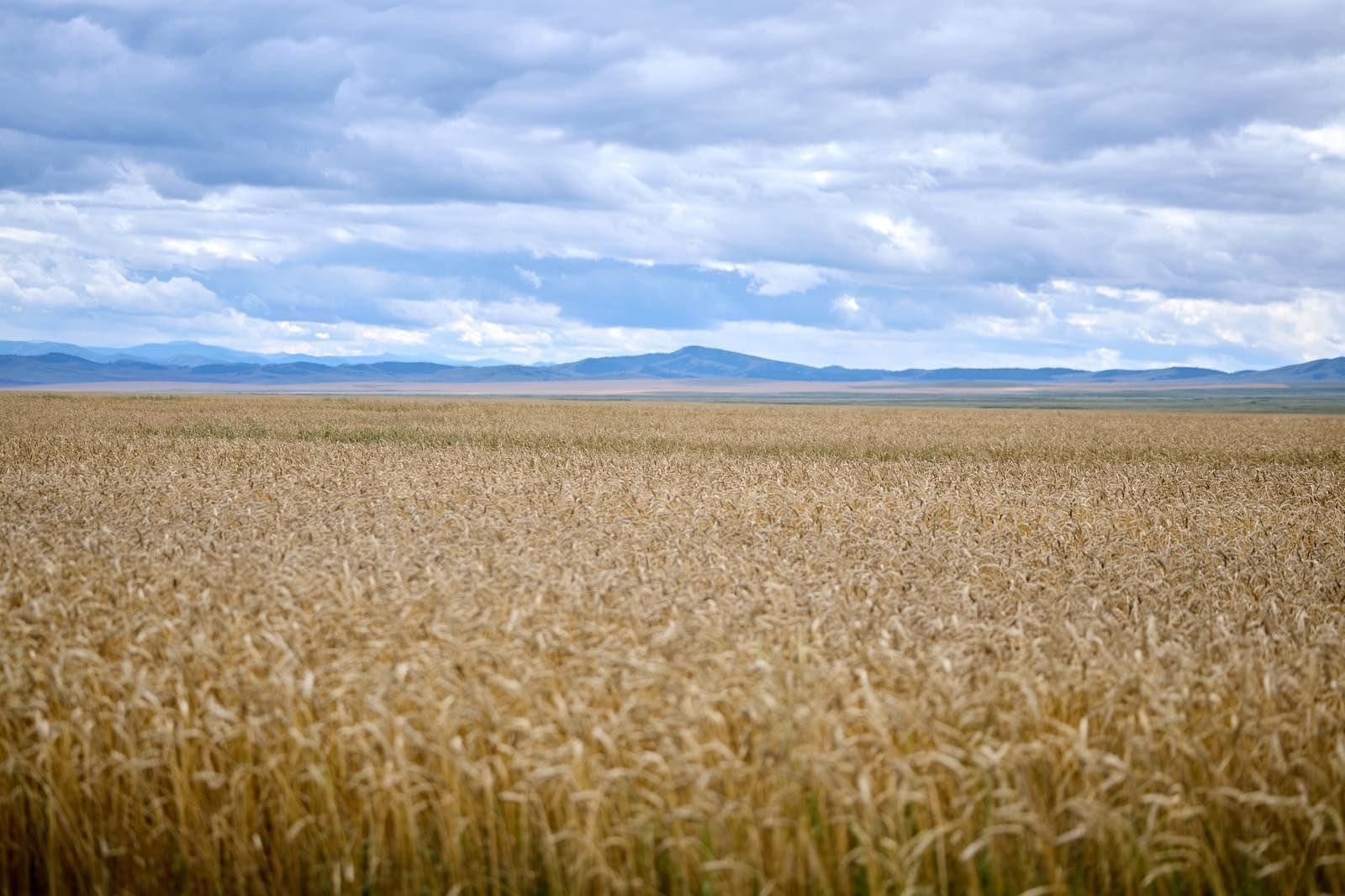
Wheat Reserves Reach 52.6 Thousand Tonnes www.montsame.mn
The Ministry of Food, Agriculture and Light Industry reported that as of October 5, Mongolia has stockpiled 52.6 thousand tonnes of wheat out of a planned 100 thousand tonnes to stabilise domestic production and supply.
Nationwide, 338.5 thousand tonnes of grain, 134.3 thousand tonnes of potatoes, 138.4 thousand tonnes of vegetables, 124.1 thousand tonnes of fodder, and 14.6 thousand tonnes of oil plants have been harvested so far. According to the preliminary harvest balance, the country plans to harvest 555.3 thousand tonnes of grain (including 497.1 thousand tonnes of wheat), 168.2 thousand tonnes of potatoes, 218.4 thousand tonnes of vegetables, 50.4 thousand tonnes of oil plants, and 201.8 thousand tonnes of fodder plants.
This year, crops were planted across a total of 580.4 thousand hectares. This includes 369.7 thousand hectares of grain (of which 317.9 thousand hectares are wheat), 12.8 thousand hectares of potatoes, 13.4 thousand hectares of vegetables, 94.1 thousand hectares of fodder, and 90.4 thousand hectares of oil plants.
...
Entrée Resources Addresses Questions Raised in Plenary Session of Parliament of Mongolia www.globenewswire.com
Entrée Resources Ltd. (TSX:ETG; OTCQB:ERLFF – the “Company” or “Entrée”) wishes to address questions raised by a Mongolian Member of Parliament in a plenary session held on October 2, 2026. The questions followed the Company’s recent update on efforts to transfer the Shivee Tolgoi (MV-015226A) and Javkhlant (MV-105225A) mining licenses (the “Licenses”) to the Company’s joint venture partner Oyu Tolgoi LLC (“OT LLC”). The update is included in the September 28, 2026 Letter to Shareholders from Entrée’s President and CEO Chris Adams, a copy of which is available here.
The Company continues to take steps to advance the transfer process in accordance with applicable laws of Mongolia while discussions with the Government Working Group and Oyu Tolgoi project stakeholders regarding State participation in the area of the Licenses are ongoing, so that when agreement is reached the Licenses can be transferred without further delay. The Licenses must be transferred to OT LLC for Lift 1 underground development and extraction activities on the Shivee Tolgoi mining license to proceed.
As previously disclosed by the Company, transfer tax based on the value of the Licenses must be paid in accordance with applicable laws of Mongolia. It is the responsibility of the license holder, not the Mongolian tax authority (“MTA”), to calculate the value of a mining license in accordance with prescribed methodology. The license holder then submits a request to the MTA to review and confirm the license holder’s valuation calculation. The request must be accompanied by supporting documentation and materials, including evidence that the transfer tax has been remitted.
Entrée LLC, with support from OT LLC and their respective legal and tax advisors, has calculated the values of the Licenses, remitted the applicable transfer tax to the MTA, and submitted a request to the MTA to review and confirm Entrée LLC’s valuation calculations, all in accordance with applicable methodology, procedures, and laws. Supporting documentation and materials, including receipts evidencing the remittance of transfer tax, were also submitted to the MTA.
To date, the MTA has not confirmed Entrée LLC’s valuation calculations. The MTA has advised Entrée LLC it considers the documents and materials submitted by Entrée LLC to be incomplete and it is therefore not possible for the MTA to issue tax payment certificates.
Additional details can be found in the Company’s continuous disclosure record available on the Company’s website at www.EntreeResourcesLtd.com, on SEDAR+ at www.sedarplus.ca, and on OTC Markets at www.otcmarkets.com.
ABOUT ENTRÉE RESOURCES LTD.
Entrée Resources Ltd. is a Canadian mining company with a unique carried joint venture interest on a significant portion of one of the world’s largest copper-gold projects – the Oyu Tolgoi project in Mongolia. Entrée has a 20% or 30% carried participating interest in the Entrée/Oyu Tolgoi JV, depending on the depth of mineralization. Royal Gold, Inc. (through its wholly owned Canadian subsidiary International Royalty Corporation) and Rio Tinto are major shareholders of Entrée, beneficially holding approximately 24% and 16% of the shares of the Company, respectively. More information about Entrée can be found at www.EntreeResourcesLtd.com.

Kyrgyzstan, Mongolia to cooperate in cardiac surgery and organ transplantation www.24.kg
Kyrgyzstan and Mongolia intend to expand cooperation in cardiac surgery and organ transplantation, the Health Ministry of Kyrgyzstan reported.
Kyrgyz Health Minister Damir Osmonov met with Mongolian Ambassador Extraordinary and Plenipotentiary to Kyrgyzstan Demchig Tegshjargal.
According to the ministry’s press center, the sides discussed promising areas of cooperation in healthcare and opportunities for implementing joint medical projects.
The meeting highlighted similarities in a number of challenges facing the healthcare systems of the two countries, including the high burden of noncommunicable diseases and the need to ensure access to medical care for people living in remote areas.
In this context, particular attention was paid to prevention, healthcare digitalization and the development of telemedicine.
One specific area of cooperation could be the development of pediatric cardiac surgery. The Mongolian side presented its experience with the Bundan — Heart Remembers project, which provides assistance to children with congenital heart defects, including those living in remote areas. According to data presented by the Mongolian side, more than 1,600 surgeries were performed on children and more than 60,000 medical examinations were conducted from 2020 to 2025.
The program has also provided assistance to more than 30 children from Kyrgyzstan.
Minister Damir Osmonov supported the proposal to expand cooperation and noted the possibility of organizing a master class for Kyrgyz specialists with the participation of Mongolian cardiac surgeons, including practical training at a healthcare facility in Kyrgyzstan.
The sides also discussed cooperation in liver transplantation.
The Mongolian side proposed organizing reciprocal visits by specialists, short-term consultations and exchanges of practical experience between medical teams from the two countries.
Osmonov noted that, given the development of transplant services in Kyrgyzstan, it would be useful to study the experience of Mongolian specialists who have been working in this field for many years.
The Health Ministry of Kyrgyzstan is ready to consider sending a group of specialists to Mongolia, as well as hosting Mongolian colleagues for an exchange of experience.
"Our specialists have already studied the experience of Turkey, Belarus and Russia in transplantation. Given that the Mongolian team has been developing liver transplantation since 2011, it would be useful for us to learn from our Mongolian colleagues as well, ” the minister said.
The sides also expressed interest in exchanging experience in medical education, science and healthcare digitalization. Damir Osmonov noted that Kyrgyzstan has accumulated practical experience in developing digital healthcare, as well as in training and accrediting medical professionals, which it is ready to share with Mongolian colleagues.
Following the meeting, the sides agreed to continue work in several promising areas and identify specific formats for cooperation.
...
Secretary Rubio’s Call with Mongolian Foreign Minister Battsetseg www.state.gov
Secretary of State Marco Rubio spoke with Foreign Minister Battsetseg Batmunkh yesterday. Both sides underscored the importance of the U.S.-Mongolia Strategic Third Neighbor Partnership and committed to working together to expand areas of future cooperation, including on energy security. The Secretary thanked Foreign Minister Battsetseg for Mongolia’s leadership in the Haiti Gang Suppression Force. The Secretary also called on Mongolia to continue to uphold religious freedom.
...
Mongolia, FIFA sign agreement on construction of 25,000-seat football stadium www.asianews.network
The Government of Mongolia, the International Federation of Association Football (FIFA), and the Mongolian Football Federation signed a Memorandum of Understanding (MoU) on October 2, 2026, on cooperation in the development of football infrastructure.
Under the agreement, the parties will cooperate to construct a modern football stadium meeting FIFA international standards, with a seating capacity of up to 25,000, at the site of the Mongolian Football Federation’s Technical Center in the Yarmag area of Ulaanbaatar.
During his visit to Mongolia, FIFA President Gianni Infantino met with Prime Minister N.Uchral to exchange views on the development of Mongolian football, sports infrastructure, and future cooperation.
The construction of an international-standard stadium is expected to improve training conditions for the national team and athletes, expand opportunities for children and young people to participate in football, and create the necessary facilities to host international tournaments and events in Mongolia.
The memorandum was signed by J.Aldarjavkhlan, Minister of Culture, Sports, Tourism and Youth of Mongolia, Elkhan Mammadov, FIFA Director of Member Associations, and Ts.Anandbazar, President of the Mongolian Football Federation.
Prime Minister N.Uchral and FIFA President Gianni Infantino attended the signing ceremony.
Source: Ministry of Culture, Sports, Tourism and Youth
The Government of Mongolia, the International Federation of Association Football (FIFA), and the Mongolian Football Federation signed a Memorandum of Understanding (MoU) on October 2, 2026, on cooperation in the development of football infrastructure.
Under the agreement, the parties will cooperate to construct a modern football stadium meeting FIFA international standards, with a seating capacity of up to 25,000, at the site of the Mongolian Football Federation’s Technical Center in the Yarmag area of Ulaanbaatar.
During his visit to Mongolia, FIFA President Gianni Infantino met with Prime Minister N.Uchral to exchange views on the development of Mongolian football, sports infrastructure, and future cooperation.
The construction of an international-standard stadium is expected to improve training conditions for the national team and athletes, expand opportunities for children and young people to participate in football, and create the necessary facilities to host international tournaments and events in Mongolia.
The memorandum was signed by J.Aldarjavkhlan, Minister of Culture, Sports, Tourism and Youth of Mongolia, Elkhan Mammadov, FIFA Director of Member Associations, and Ts.Anandbazar, President of the Mongolian Football Federation.
Prime Minister N.Uchral and FIFA President Gianni Infantino attended the signing ceremony.
Source: Ministry of Culture, Sports, Tourism and Youth
...
Mongolia, EU to Expand Cooperation in Forests, Bioeconomy and Agriculture www.montsame.mn
Mongolia will expand its cooperation with European Union to support sustainable development in the forestry, bioeconomy and agriculture sectors, and channel European Investment Bank (EIB) financing into concrete projects and programs.
The matter was discussed during a meeting between Deputy Minister of Environment and Climate Change Munkhtamir Batbayar and representatives of the EU Delegation to Mongolia, the ministry said.
The sides highlighted the signing of a letter of intent between the Government of Mongolia and EIB during the 17th session of the Conference of Parties to the United Nations Convention to Combat Desertification (UNCCD COP17) in Ulaanbaatar as an important toward advancing bilateral cooperation on a potential financing for Mongolia’s forestry and agriculture sectors.
Mongolia also formally received the final version of a bioeconomy study developed under the bilateral cooperation framework. The study is significant for harmonizing investments across Mongolia’s forestry, agriculture, and wood-processing sectors, and for transforming potential financing from the EIB into tangible projects and programs. The study outlines opportunities for investment in sustainable forest management, wood-processing industries, and the agricultural sector, as well as how to integrate the bioeconomy with Mongolia’s national development policy and investment planning.
...
Foreign Minister Battsetseg Holds Phone Talks with U.S. Secretary of State www.montsame.mn
Minister of Foreign Affairs Battsetseg Batmunkh spoke with Marco Rubio, Secretary of State of the United States of America, on October 5, 2026.
The two sides expressed their satisfaction with the vitality of Mongolia-U.S. relations and cooperation in the spirit of the Strategic Third Neighbor Partnership and underscored that next year marks the 40th anniversary of the establishment of diplomatic relations between Mongolia and the United States of America.
Minister Battsetseg noted that relations between Mongolia and the United States have further strengthened through bilateral cooperation mechanisms and expressed satisfaction with the successful completion of the Millennium Challenge Corporation’s Mongolia Water Compact, a symbol of tangible and effective partnership between the two countries.
Secretary Rubio expressed his gratitude for Mongolia's steadfast support for the U.S. policy and initiatives and reaffirmed his close cooperation to further strengthen the Strategic Third Neighbor Partnership.
Foreign Minister and the Secretary discussed further expanding bilateral cooperation in mutually beneficial areas and increasing high-level exchanges, reported the Ministry of Foreign Affairs of Mongolia.
...- «
- 1
- 2
- 3
- 4
- 5
- 6
- 7
- 8
- 9
- 10
- 11
- 12
- 13
- 14
- 15
- 16
- 17
- 18
- 19
- 20
- 21
- 22
- 23
- 24
- 25
- 26
- 27
- 28
- 29
- 30
- 31
- 32
- 33
- 34
- 35
- 36
- 37
- 38
- 39
- 40
- 41
- 42
- 43
- 44
- 45
- 46
- 47
- 48
- 49
- 50
- 51
- 52
- 53
- 54
- 55
- 56
- 57
- 58
- 59
- 60
- 61
- 62
- 63
- 64
- 65
- 66
- 67
- 68
- 69
- 70
- 71
- 72
- 73
- 74
- 75
- 76
- 77
- 78
- 79
- 80
- 81
- 82
- 83
- 84
- 85
- 86
- 87
- 88
- 89
- 90
- 91
- 92
- 93
- 94
- 95
- 96
- 97
- 98
- 99
- 100
- 101
- 102
- 103
- 104
- 105
- 106
- 107
- 108
- 109
- 110
- 111
- 112
- 113
- 114
- 115
- 116
- 117
- 118
- 119
- 120
- 121
- 122
- 123
- 124
- 125
- 126
- 127
- 128
- 129
- 130
- 131
- 132
- 133
- 134
- 135
- 136
- 137
- 138
- 139
- 140
- 141
- 142
- 143
- 144
- 145
- 146
- 147
- 148
- 149
- 150
- 151
- 152
- 153
- 154
- 155
- 156
- 157
- 158
- 159
- 160
- 161
- 162
- 163
- 164
- 165
- 166
- 167
- 168
- 169
- 170
- 171
- 172
- 173
- 174
- 175
- 176
- 177
- 178
- 179
- 180
- 181
- 182
- 183
- 184
- 185
- 186
- 187
- 188
- 189
- 190
- 191
- 192
- 193
- 194
- 195
- 196
- 197
- 198
- 199
- 200
- 201
- 202
- 203
- 204
- 205
- 206
- 207
- 208
- 209
- 210
- 211
- 212
- 213
- 214
- 215
- 216
- 217
- 218
- 219
- 220
- 221
- 222
- 223
- 224
- 225
- 226
- 227
- 228
- 229
- 230
- 231
- 232
- 233
- 234
- 235
- 236
- 237
- 238
- 239
- 240
- 241
- 242
- 243
- 244
- 245
- 246
- 247
- 248
- 249
- 250
- 251
- 252
- 253
- 254
- 255
- 256
- 257
- 258
- 259
- 260
- 261
- 262
- 263
- 264
- 265
- 266
- 267
- 268
- 269
- 270
- 271
- 272
- 273
- 274
- 275
- 276
- 277
- 278
- 279
- 280
- 281
- 282
- 283
- 284
- 285
- 286
- 287
- 288
- 289
- 290
- 291
- 292
- 293
- 294
- 295
- 296
- 297
- 298
- 299
- 300
- 301
- 302
- 303
- 304
- 305
- 306
- 307
- 308
- 309
- 310
- 311
- 312
- 313
- 314
- 315
- 316
- 317
- 318
- 319
- 320
- 321
- 322
- 323
- 324
- 325
- 326
- 327
- 328
- 329
- 330
- 331
- 332
- 333
- 334
- 335
- 336
- 337
- 338
- 339
- 340
- 341
- 342
- 343
- 344
- 345
- 346
- 347
- 348
- 349
- 350
- 351
- 352
- 353
- 354
- 355
- 356
- 357
- 358
- 359
- 360
- 361
- 362
- 363
- 364
- 365
- 366
- 367
- 368
- 369
- 370
- 371
- 372
- 373
- 374
- 375
- 376
- 377
- 378
- 379
- 380
- 381
- 382
- 383
- 384
- 385
- 386
- 387
- 388
- 389
- 390
- 391
- 392
- 393
- 394
- 395
- 396
- 397
- 398
- 399
- 400
- 401
- 402
- 403
- 404
- 405
- 406
- 407
- 408
- 409
- 410
- 411
- 412
- 413
- 414
- 415
- 416
- 417
- 418
- 419
- 420
- 421
- 422
- 423
- 424
- 425
- 426
- 427
- 428
- 429
- 430
- 431
- 432
- 433
- 434
- 435
- 436
- 437
- 438
- 439
- 440
- 441
- 442
- 443
- 444
- 445
- 446
- 447
- 448
- 449
- 450
- 451
- 452
- 453
- 454
- 455
- 456
- 457
- 458
- 459
- 460
- 461
- 462
- 463
- 464
- 465
- 466
- 467
- 468
- 469
- 470
- 471
- 472
- 473
- 474
- 475
- 476
- 477
- 478
- 479
- 480
- 481
- 482
- 483
- 484
- 485
- 486
- 487
- 488
- 489
- 490
- 491
- 492
- 493
- 494
- 495
- 496
- 497
- 498
- 499
- 500
- 501
- 502
- 503
- 504
- 505
- 506
- 507
- 508
- 509
- 510
- 511
- 512
- 513
- 514
- 515
- 516
- 517
- 518
- 519
- 520
- 521
- 522
- 523
- 524
- 525
- 526
- 527
- 528
- 529
- 530
- 531
- 532
- 533
- 534
- 535
- 536
- 537
- 538
- 539
- 540
- 541
- 542
- 543
- 544
- 545
- 546
- 547
- 548
- 549
- 550
- 551
- 552
- 553
- 554
- 555
- 556
- 557
- 558
- 559
- 560
- 561
- 562
- 563
- 564
- 565
- 566
- 567
- 568
- 569
- 570
- 571
- 572
- 573
- 574
- 575
- 576
- 577
- 578
- 579
- 580
- 581
- 582
- 583
- 584
- 585
- 586
- 587
- 588
- 589
- 590
- 591
- 592
- 593
- 594
- 595
- 596
- 597
- 598
- 599
- 600
- 601
- 602
- 603
- 604
- 605
- 606
- 607
- 608
- 609
- 610
- 611
- 612
- 613
- 614
- 615
- 616
- 617
- 618
- 619
- 620
- 621
- 622
- 623
- 624
- 625
- 626
- 627
- 628
- 629
- 630
- 631
- 632
- 633
- 634
- 635
- 636
- 637
- 638
- 639
- 640
- 641
- 642
- 643
- 644
- 645
- 646
- 647
- 648
- 649
- 650
- 651
- 652
- 653
- 654
- 655
- 656
- 657
- 658
- 659
- 660
- 661
- 662
- 663
- 664
- 665
- 666
- 667
- 668
- 669
- 670
- 671
- 672
- 673
- 674
- 675
- 676
- 677
- 678
- 679
- 680
- 681
- 682
- 683
- 684
- 685
- 686
- 687
- 688
- 689
- 690
- 691
- 692
- 693
- 694
- 695
- 696
- 697
- 698
- 699
- 700
- 701
- 702
- 703
- 704
- 705
- 706
- 707
- 708
- 709
- 710
- 711
- 712
- 713
- 714
- 715
- 716
- 717
- 718
- 719
- 720
- 721
- 722
- 723
- 724
- 725
- 726
- 727
- 728
- 729
- 730
- 731
- 732
- 733
- 734
- 735
- 736
- 737
- 738
- 739
- 740
- 741
- 742
- 743
- 744
- 745
- 746
- 747
- 748
- 749
- 750
- 751
- 752
- 753
- 754
- 755
- 756
- 757
- 758
- 759
- 760
- 761
- 762
- 763
- 764
- 765
- 766
- 767
- 768
- 769
- 770
- 771
- 772
- 773
- 774
- 775
- 776
- 777
- 778
- 779
- 780
- 781
- 782
- 783
- 784
- 785
- 786
- 787
- 788
- 789
- 790
- 791
- 792
- 793
- 794
- 795
- 796
- 797
- 798
- 799
- 800
- 801
- 802
- 803
- 804
- 805
- 806
- 807
- 808
- 809
- 810
- 811
- 812
- 813
- 814
- 815
- 816
- 817
- 818
- 819
- 820
- 821
- 822
- 823
- 824
- 825
- 826
- 827
- 828
- 829
- 830
- 831
- 832
- 833
- 834
- 835
- 836
- 837
- 838
- 839
- 840
- 841
- 842
- 843
- 844
- 845
- 846
- 847
- 848
- 849
- 850
- 851
- 852
- 853
- 854
- 855
- 856
- 857
- 858
- 859
- 860
- 861
- 862
- 863
- 864
- 865
- 866
- 867
- 868
- 869
- 870
- 871
- 872
- 873
- 874
- 875
- 876
- 877
- 878
- 879
- 880
- 881
- 882
- 883
- 884
- 885
- 886
- 887
- 888
- 889
- 890
- 891
- 892
- 893
- 894
- 895
- 896
- 897
- 898
- 899
- 900
- 901
- 902
- 903
- 904
- 905
- 906
- 907
- 908
- 909
- 910
- 911
- 912
- 913
- 914
- 915
- 916
- 917
- 918
- 919
- 920
- 921
- 922
- 923
- 924
- 925
- 926
- 927
- 928
- 929
- 930
- 931
- 932
- 933
- 934
- 935
- 936
- 937
- 938
- 939
- 940
- 941
- 942
- 943
- 944
- 945
- 946
- 947
- 948
- 949
- 950
- 951
- 952
- 953
- 954
- 955
- 956
- 957
- 958
- 959
- 960
- 961
- 962
- 963
- 964
- 965
- 966
- 967
- 968
- 969
- 970
- 971
- 972
- 973
- 974
- 975
- 976
- 977
- 978
- 979
- 980
- 981
- 982
- 983
- 984
- 985
- 986
- 987
- 988
- 989
- 990
- 991
- 992
- 993
- 994
- 995
- 996
- 997
- 998
- 999
- 1000
- 1001
- 1002
- 1003
- 1004
- 1005
- 1006
- 1007
- 1008
- 1009
- 1010
- 1011
- 1012
- 1013
- 1014
- 1015
- 1016
- 1017
- 1018
- 1019
- 1020
- 1021
- 1022
- 1023
- 1024
- 1025
- 1026
- 1027
- 1028
- 1029
- 1030
- 1031
- 1032
- 1033
- 1034
- 1035
- 1036
- 1037
- 1038
- 1039
- 1040
- 1041
- 1042
- 1043
- 1044
- 1045
- 1046
- 1047
- 1048
- 1049
- 1050
- 1051
- 1052
- 1053
- 1054
- 1055
- 1056
- 1057
- 1058
- 1059
- 1060
- 1061
- 1062
- 1063
- 1064
- 1065
- 1066
- 1067
- 1068
- 1069
- 1070
- 1071
- 1072
- 1073
- 1074
- 1075
- 1076
- 1077
- 1078
- 1079
- 1080
- 1081
- 1082
- 1083
- 1084
- 1085
- 1086
- 1087
- 1088
- 1089
- 1090
- 1091
- 1092
- 1093
- 1094
- 1095
- 1096
- 1097
- 1098
- 1099
- 1100
- 1101
- 1102
- 1103
- 1104
- 1105
- 1106
- 1107
- 1108
- 1109
- 1110
- 1111
- 1112
- 1113
- 1114
- 1115
- 1116
- 1117
- 1118
- 1119
- 1120
- 1121
- 1122
- 1123
- 1124
- 1125
- 1126
- 1127
- 1128
- 1129
- 1130
- 1131
- 1132
- 1133
- 1134
- 1135
- 1136
- 1137
- 1138
- 1139
- 1140
- 1141
- 1142
- 1143
- 1144
- 1145
- 1146
- 1147
- 1148
- 1149
- 1150
- 1151
- 1152
- 1153
- 1154
- 1155
- 1156
- 1157
- 1158
- 1159
- 1160
- 1161
- 1162
- 1163
- 1164
- 1165
- 1166
- 1167
- 1168
- 1169
- 1170
- 1171
- 1172
- 1173
- 1174
- 1175
- 1176
- 1177
- 1178
- 1179
- 1180
- 1181
- 1182
- 1183
- 1184
- 1185
- 1186
- 1187
- 1188
- 1189
- 1190
- 1191
- 1192
- 1193
- 1194
- 1195
- 1196
- 1197
- 1198
- 1199
- 1200
- 1201
- 1202
- 1203
- 1204
- 1205
- 1206
- 1207
- 1208
- 1209
- 1210
- 1211
- 1212
- 1213
- 1214
- 1215
- 1216
- 1217
- 1218
- 1219
- 1220
- 1221
- 1222
- 1223
- 1224
- 1225
- 1226
- 1227
- 1228
- 1229
- 1230
- 1231
- 1232
- 1233
- 1234
- 1235
- 1236
- 1237
- 1238
- 1239
- 1240
- 1241
- 1242
- 1243
- 1244
- 1245
- 1246
- 1247
- 1248
- 1249
- 1250
- 1251
- 1252
- 1253
- 1254
- 1255
- 1256
- 1257
- 1258
- 1259
- 1260
- 1261
- 1262
- 1263
- 1264
- 1265
- 1266
- 1267
- 1268
- 1269
- 1270
- 1271
- 1272
- 1273
- 1274
- 1275
- 1276
- 1277
- 1278
- 1279
- 1280
- 1281
- 1282
- 1283
- 1284
- 1285
- 1286
- 1287
- 1288
- 1289
- 1290
- 1291
- 1292
- 1293
- 1294
- 1295
- 1296
- 1297
- 1298
- 1299
- 1300
- 1301
- 1302
- 1303
- 1304
- 1305
- 1306
- 1307
- 1308
- 1309
- 1310
- 1311
- 1312
- 1313
- 1314
- 1315
- 1316
- 1317
- 1318
- 1319
- 1320
- 1321
- 1322
- 1323
- 1324
- 1325
- 1326
- 1327
- 1328
- 1329
- 1330
- 1331
- 1332
- 1333
- 1334
- 1335
- 1336
- 1337
- 1338
- 1339
- 1340
- 1341
- 1342
- 1343
- 1344
- 1345
- 1346
- 1347
- 1348
- 1349
- 1350
- 1351
- 1352
- 1353
- 1354
- 1355
- 1356
- 1357
- 1358
- 1359
- 1360
- 1361
- 1362
- 1363
- 1364
- 1365
- 1366
- 1367
- 1368
- 1369
- 1370
- 1371
- 1372
- 1373
- 1374
- 1375
- 1376
- 1377
- 1378
- 1379
- 1380
- 1381
- 1382
- 1383
- 1384
- 1385
- 1386
- 1387
- 1388
- 1389
- 1390
- 1391
- 1392
- 1393
- 1394
- 1395
- 1396
- 1397
- 1398
- 1399
- 1400
- 1401
- 1402
- 1403
- 1404
- 1405
- 1406
- 1407
- 1408
- 1409
- 1410
- 1411
- 1412
- 1413
- 1414
- 1415
- 1416
- 1417
- 1418
- 1419
- 1420
- 1421
- 1422
- 1423
- 1424
- 1425
- 1426
- 1427
- 1428
- 1429
- 1430
- 1431
- 1432
- 1433
- 1434
- 1435
- 1436
- 1437
- 1438
- 1439
- 1440
- 1441
- 1442
- 1443
- 1444
- 1445
- 1446
- 1447
- 1448
- 1449
- 1450
- 1451
- 1452
- 1453
- 1454
- 1455
- 1456
- 1457
- 1458
- 1459
- 1460
- 1461
- 1462
- 1463
- 1464
- 1465
- 1466
- 1467
- 1468
- 1469
- 1470
- 1471
- 1472
- 1473
- 1474
- 1475
- 1476
- 1477
- 1478
- 1479
- 1480
- 1481
- 1482
- 1483
- 1484
- 1485
- 1486
- 1487
- 1488
- 1489
- 1490
- 1491
- 1492
- 1493
- 1494
- 1495
- 1496
- 1497
- 1498
- 1499
- 1500
- 1501
- 1502
- 1503
- 1504
- 1505
- 1506
- 1507
- 1508
- 1509
- 1510
- 1511
- 1512
- 1513
- 1514
- 1515
- 1516
- 1517
- 1518
- 1519
- 1520
- 1521
- 1522
- 1523
- 1524
- 1525
- 1526
- 1527
- 1528
- 1529
- 1530
- 1531
- 1532
- 1533
- 1534
- 1535
- 1536
- 1537
- 1538
- 1539
- 1540
- 1541
- 1542
- 1543
- 1544
- 1545
- 1546
- 1547
- 1548
- 1549
- 1550
- 1551
- 1552
- 1553
- 1554
- 1555
- 1556
- 1557
- 1558
- 1559
- 1560
- 1561
- 1562
- 1563
- 1564
- 1565
- 1566
- 1567
- 1568
- 1569
- 1570
- 1571
- 1572
- 1573
- 1574
- 1575
- 1576
- 1577
- 1578
- 1579
- 1580
- 1581
- 1582
- 1583
- 1584
- 1585
- 1586
- 1587
- 1588
- 1589
- 1590
- 1591
- 1592
- 1593
- 1594
- 1595
- 1596
- 1597
- 1598
- 1599
- 1600
- 1601
- 1602
- 1603
- 1604
- 1605
- 1606
- 1607
- 1608
- 1609
- 1610
- 1611
- 1612
- 1613
- 1614
- 1615
- 1616
- 1617
- 1618
- 1619
- 1620
- 1621
- 1622
- 1623
- 1624
- 1625
- 1626
- 1627
- 1628
- 1629
- 1630
- 1631
- 1632
- 1633
- 1634
- 1635
- 1636
- 1637
- 1638
- 1639
- 1640
- 1641
- 1642
- 1643
- 1644
- 1645
- 1646
- 1647
- 1648
- 1649
- 1650
- 1651
- 1652
- 1653
- 1654
- 1655
- 1656
- 1657
- 1658
- 1659
- 1660
- 1661
- 1662
- 1663
- 1664
- 1665
- 1666
- 1667
- 1668
- 1669
- 1670
- 1671
- 1672
- 1673
- 1674
- 1675
- 1676
- 1677
- 1678
- 1679
- 1680
- 1681
- 1682
- 1683
- 1684
- 1685
- 1686
- 1687
- 1688
- 1689
- 1690
- 1691
- 1692
- 1693
- 1694
- 1695
- 1696
- 1697
- 1698
- 1699
- 1700
- 1701
- 1702
- 1703
- 1704
- 1705
- 1706
- 1707
- 1708
- 1709
- 1710
- 1711
- 1712
- 1713
- 1714
- 1715
- 1716
- 1717
- 1718
- 1719
- 1720
- 1721
- 1722
- 1723
- 1724
- 1725
- 1726
- 1727
- 1728
- 1729
- 1730
- 1731
- 1732
- 1733
- 1734
- 1735
- 1736
- 1737
- 1738
- 1739
- 1740
- 1741
- 1742
- 1743
- 1744
- 1745
- 1746
- 1747
- 1748
- 1749
- 1750
- 1751
- 1752
- 1753
- 1754
- 1755
- 1756
- 1757
- 1758
- 1759
- 1760
- 1761
- 1762
- 1763
- 1764
- 1765
- 1766
- 1767
- 1768
- 1769
- 1770
- 1771
- 1772
- 1773
- 1774
- 1775
- 1776
- 1777
- 1778
- 1779
- 1780
- 1781
- 1782
- 1783
- 1784
- 1785
- 1786
- 1787
- 1788
- 1789
- 1790
- 1791
- 1792
- 1793
- 1794
- 1795
- 1796
- 1797
- 1798
- 1799
- 1800
- 1801
- 1802
- 1803
- 1804
- 1805
- 1806
- 1807
- 1808
- 1809
- 1810
- 1811
- 1812
- 1813
- 1814
- 1815
- 1816
- 1817
- 1818
- 1819
- 1820
- 1821
- 1822
- 1823
- 1824
- 1825
- 1826
- 1827
- 1828
- 1829
- 1830
- 1831
- 1832
- 1833
- 1834
- 1835
- 1836
- »


