
Category
- Agriculture
- Automobiles and Machinery
- Bank, non banking financing, investment
- Blasting
- Construction
- Consumables
- Education
- Energy
- Engineer , Architecture and Geodesy
- Finance, Audit,Accounting and Brokerage
- Food
- Foreign Trade
- Geology Exploration
- Health
- Information Technology
- Insurance
- Labor Safety
- Legal and Business consulting
- Lighting
- Mining equipment
- Mining Services
- Other product and service
- Road
- Sewing and textile products
- Transportations
- Travel
Events

Events
| Name | organizer | Where |
|---|---|---|
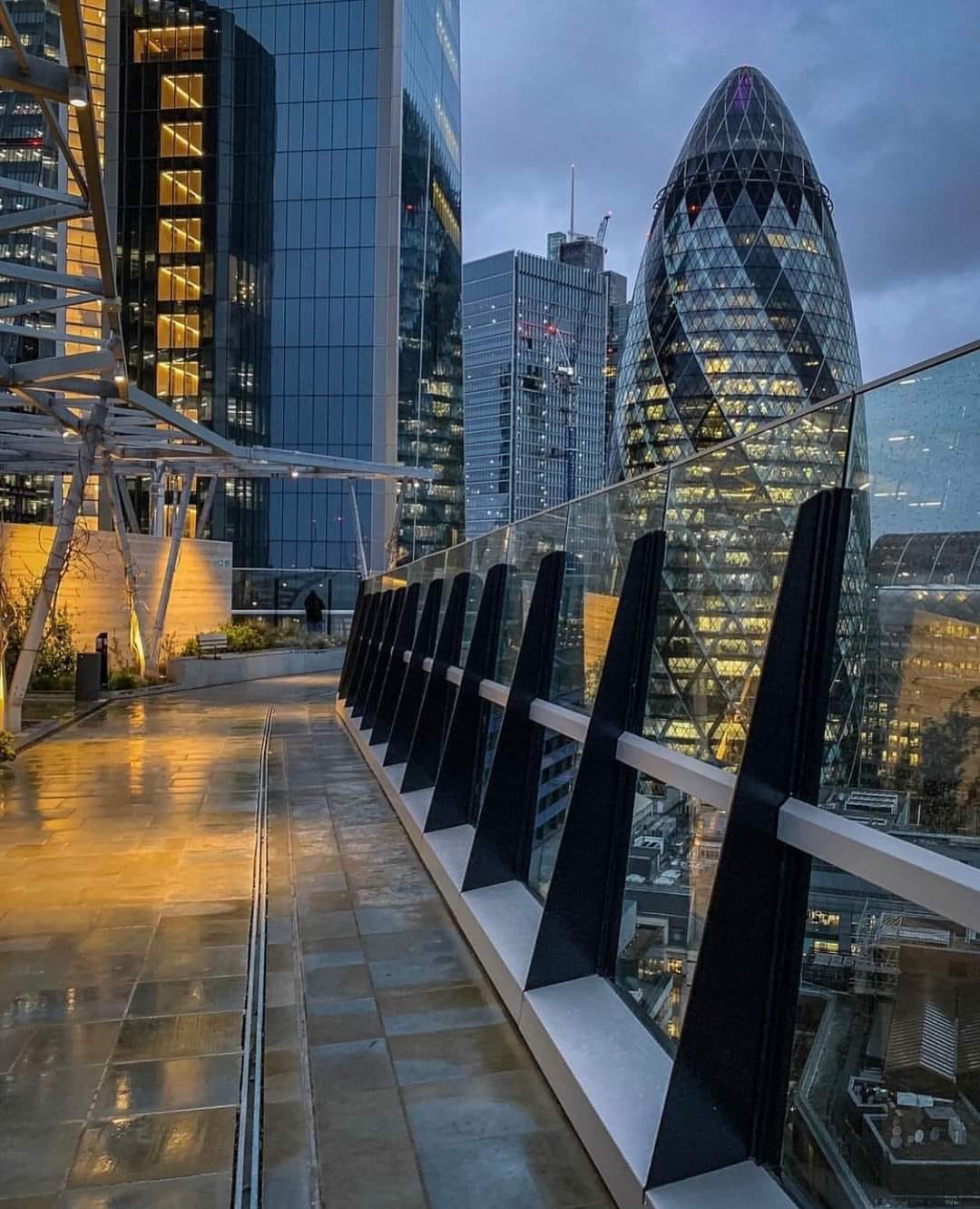
| MBCC “Doing Business with Mongolia seminar and Christmas Receptiom” Dec 10. 2025 London UK | MBCCI | London UK Goodman LLC |
NEWS

Three ships chartered to troubled Hanjin Shipping sold www.reuters.com
Three ships chartered to Hanjin Shipping Co Ltd (117930.KS) have been sold, the first of dozens of vessels expected to be hawked following the failure of the world's seventh largest container shipper.
Around $14 billion of cargo has been tied up globally as ports, tugboat operators and cargo handling firms worried about not being paid refuse to work for Hanjin, which filed for receivership in a Seoul court on Aug 31.
Three bulk carriers, used for carrying commodities such as iron ore, coal and grain, have been sold for a total of almost $39 million, according to data from ship valuation firm VesselsValue.
The largest, the 180,000 deadweight tonne (DWT) capesize Hanjin Matsuyama, was bought by Singapore-based Winning Shipping for $22.75 million, according to the data.
A man who identified himself as the head of the purchasing department in the Qingdao branch of Winning Shipping but declined to give his name said the deal had been agreed but not yet completed.
"We began talking about the deal before the news about Hanjin began emerging, we were already in the process of buying it."
The five-year old ship was sold charter-free, meaning it is no longer chartered by Hanjin Shipping, a sale and purchase broker told Reuters.
The two smaller 37,000 DWT handyside vessels have been sold to Greek buyers.
"After news of (Hanjin's) collapse they were redelivered early to financiers and sold charter free," the broker added.
With ship prices already depressed by over-capacity, the values achieved were in line with recent similar sales and estimates from shipping services firm Clarkson.
Shipbrokers expect more Hanjin ships to be put on the market although uncertainty about the company's future could delay progress.
OVER-CAPACITY TO REMAIN
While uncertainty around Hanjin Shipping has caused a spike in freight prices, few expect it to last.
Cargo ships of around 257.8 million DWT, equal to about 14.6 percent of the global fleet, are due for delivery from now to around 2019 and global seaborne trade growth is just 2.4 percent, Clarkson data shows.
That points to little short-term improvement in the shipping markets with no real return to profitability until 2019-2020, at least, analysts say.
"The industry needs to break the trend of halting demolition activity as soon as the Baltic Dry Index (a basket of freight rates) improves marginally," said Peter Sand, chief shipping analyst at shipping lobby group BIMCO.
The fleet of 63 ships Hanjin owns is worth around $1.76 billion, VesselsValue estimates, well short of the $5.5 billion in debt the company reported as at the end of June, 2016. It charters a further 78 vessels.
Around two-thirds of the total are not operating properly, including vessels seized, barred entry to ports or terminals, denied services or moving slowly, according to Hanjin Shipping data on Monday.
The chairman and former chairwoman of parent company Hanjin Group on Tuesday transferred around $45 million to help unload cargo stranded on the troubled shipper's vessels.
However, Hanjin estimates at least $100 million more is needed to clear the cargo and regulators have warned securing further funds from Hanjin Shipping shareholders could take "considerable time."
South Korea has said no government or central bank money would be directly injected into the firms restructuring in the ailing shipping and shipbuilding industries, though it is helping small-to-medium sized businesses hit by the restructuring.
(Editing by Lincoln Feast)
...
Bayer 'closes in' on $66bn deal to take over Monsanto www.bbc.com
A deal by German drugs and chemicals giant Bayer to take over US seeds company Monsanto is imminent, media reports suggest.
The takeover would follow several months of talks and is thought to value Monsanto at more than $66bn (£50bn).
According to German media, Bayer has increased its offer to $129 per share while the Reuters news agency says the deal will be announced Wednesday.
The takeover would create the world's biggest seeds and pesticides company.
Combining Bayer and Monsanto would make it the market leader in the US, Europe and Asia.
Bayer's farm business produces seeds as well as chemicals to combat weeds and insects, but it is better known for its healthcare products such as Aspirin and Alka-Seltzer.
Monsanto is primarily known for its genetically modified seeds for crops including corn, soybeans, cotton, wheat and sugar cane. Such seeds have attracted criticism from some environmental activists.
Largest cash deal ever
On 5 September, Bayer made its latest increased offer of $127.50 per share. Monsanto rejected this, but said it was engaged in "constructive negotiations" with Bayer.
The latest $66bn offer - which would be the largest cash acquisition on record - comes amid a wave of mergers in the agriculture sector.
Rivals including Dow Chemical, DuPont and Syngenta have all announced tie-ups recently, although some have yet to be cleared by regulators.
The drop in commodity prices has put pressure on companies such as Monsanto, with farmers' cutting orders for supplies.
A Bayer takeover of Monsanto is likely to draw close scrutiny from anti-trust regulators because of the sheer size of the combined company and the control it would have over the global seeds and sprays markets.
Farming groups have raised concerns that such mergers could lead to fewer choices and higher prices while opponents of genetically modified food in Europe worry about Monsanto's influence on the continent.

Transit transport might be 2nd OT for Mongolia www.en.montsame.mn

Nvidia shows off smaller artificial intelligence computer for Baidu car www.reuters.com

Russia ready for ruble bonds as domestic currency finds groove www.rt.com

Study: big corporations dominate list of world's top economic entities www.theguardian.com

Barrick Gold, Cisco push mining into digital era starting with Cortez mine www.mining.com

HP buys Samsung's $1bn printer business www.bbc.com

Investors Flee Heavily Indebted Mongolia www.wsj.com
There is nary a corner on Earth where investors won’t journey to find extra yield. But the trip to Mongolia is proving treacherous.
Money managers piled into assets from the world’s most sparsely populated country in past years on the prospects of vast untapped mines rich with copper and gold. Mongolian debt got an additional boost this year, soaring 6% in July, as raw-material prices picked up and investors sought alternatives to low and even negative bond yields in developed countries.
But in August, Mongolia’s finance minister stunned global investors by saying that its government debt would reach 78% of the gross domestic product, far above the country’s 55% target. The revelation triggered a selloff in Mongolia’s markets, with the country’s dollar-denominated debt tumbling 7.7% last month and the nation’s currency falling the most among all its developing-economy peers, before rebounding slightly this month.
“Until recently, Mongolia was a darling of the markets and they couldn’t do anything wrong,” said Bejoy Das Gupta, chief economist for Asia/Pacific at the Institute of International Finance. “But when the hard landing happens, markets adjust very quickly.”
Mongolia is among a handful of countries with once-bright futures that took on massive debt loads during a period of investor enthusiasm for frontier markets. In 2011, the nation was the world’s fastest-growing economy, expanding at a 17% rate as prices of copper, gold and iron ore soared.
Foreign lenders handed over billions of dollars to the government, its banks and mining companies to help extract wealth from underground. Among the bonds’ holders are BlackRock Inc., Franklin Templeton, Goldman Sachs Group Inc. and UBS Global Asset Management, according to the latest holder data from Thomson Reuters. Mongolia’s debt levels swelled 264% in the five years ended 2015, the largest increase in the world during that period, according to Moody’s Investors Service.
But the commodities bust that began in 2011 crimped the country’s growth. Now, the prospect of higher U.S. interest rates, which could make bonds in developing economies less attractive, could worsen a troubled situation.
As of the first quarter, Mongolia’s total debt owed to foreign creditors stood at $22.6 billion, compared with a still tiny $11.8 billion economy. Meanwhile, a $580 million Mongolian bond taken on to help finance a still-unfinished project to connect 21 provinces with roads comes due in 2017, part of $2 billion in maturing public- and private-sector debt in 2017, according to the International Monetary Fund.
Investors are pinning hopes on a vast gold and copper mine that is expected to lead to massive economic growth. In December 2015, the government approved a $4.4 billion financing deal for Rio Tinto PLC’s second phase of the Oyu Tolgoi copper and gold mine, believed to be the world’s largest underdeveloped reserve of copper, concluding a four-year-long negotiation. But delays in the projects have been costly: During the wait, copper prices more than halved.
ENLARGE
As the country’s current financial woes deepened, the government resorted to emergency measures. In August, the government said it may soon stop paying its civil servants and the military and raised interest rates by 4.5 percentage points to combat capital outflows.
Moody’s also lowered Mongolia’s sovereign credit rating, sending it further into junk status. Standard & Poor’s made a similar move.
If Mongolia turns to the International Monetary Fund for help, that could prop up investor confidence that it will be able to pay its debt, said Kevin Daly, a portfolio manager at Aberdeen Asset Management, with $9 billion in emerging-market debt under management, including Mongolian bonds. The IMF visited the country in August.
The selloff in Mongolia contrasts with the broad rally in emerging markets. Nearly $80 billion went into emerging markets during the first eight months of this year, the Institute of International Finance said. Emerging-market dollar-denominated debt returned 14.7% this year through August.
But if the Federal Reserve raises interest rates, reducing liquidity in the global financial system, countries that rely on a single commodity or struggle with economic data transparency “represent the first level of risks,” said Jim Barrineau, co-head of emerging markets debt at Schroder Investment Management Ltd., which has £343.8 billion ($456.19 billion) of assets under management.
Copper made up 49% of Mongolia’s exports in 2015, according to the United Nations International Trade Statistics Yearbook.
“Given overall market conditions and the assumptions around the IMF, I think perhaps the investors would continue to give them the benefit of the doubt,” said Kathryn Exum, a sovereign analyst at Gramercy Funds Management LLC. “But from an overall fundamental perspective, it’s too expensive. Mongolia and some of the weaker credits will sell off much more significantly if a hawkish Fed returns.”
Write to Carolyn Cui at carolyn.cui@wsj.com and Julie Wernau at Julie.Wernau@wsj.com
...
Hanjin ship unloads in U.S., trucks expected to take containers www.reuters.com
- «
- 1
- 2
- 3
- 4
- 5
- 6
- 7
- 8
- 9
- 10
- 11
- 12
- 13
- 14
- 15
- 16
- 17
- 18
- 19
- 20
- 21
- 22
- 23
- 24
- 25
- 26
- 27
- 28
- 29
- 30
- 31
- 32
- 33
- 34
- 35
- 36
- 37
- 38
- 39
- 40
- 41
- 42
- 43
- 44
- 45
- 46
- 47
- 48
- 49
- 50
- 51
- 52
- 53
- 54
- 55
- 56
- 57
- 58
- 59
- 60
- 61
- 62
- 63
- 64
- 65
- 66
- 67
- 68
- 69
- 70
- 71
- 72
- 73
- 74
- 75
- 76
- 77
- 78
- 79
- 80
- 81
- 82
- 83
- 84
- 85
- 86
- 87
- 88
- 89
- 90
- 91
- 92
- 93
- 94
- 95
- 96
- 97
- 98
- 99
- 100
- 101
- 102
- 103
- 104
- 105
- 106
- 107
- 108
- 109
- 110
- 111
- 112
- 113
- 114
- 115
- 116
- 117
- 118
- 119
- 120
- 121
- 122
- 123
- 124
- 125
- 126
- 127
- 128
- 129
- 130
- 131
- 132
- 133
- 134
- 135
- 136
- 137
- 138
- 139
- 140
- 141
- 142
- 143
- 144
- 145
- 146
- 147
- 148
- 149
- 150
- 151
- 152
- 153
- 154
- 155
- 156
- 157
- 158
- 159
- 160
- 161
- 162
- 163
- 164
- 165
- 166
- 167
- 168
- 169
- 170
- 171
- 172
- 173
- 174
- 175
- 176
- 177
- 178
- 179
- 180
- 181
- 182
- 183
- 184
- 185
- 186
- 187
- 188
- 189
- 190
- 191
- 192
- 193
- 194
- 195
- 196
- 197
- 198
- 199
- 200
- 201
- 202
- 203
- 204
- 205
- 206
- 207
- 208
- 209
- 210
- 211
- 212
- 213
- 214
- 215
- 216
- 217
- 218
- 219
- 220
- 221
- 222
- 223
- 224
- 225
- 226
- 227
- 228
- 229
- 230
- 231
- 232
- 233
- 234
- 235
- 236
- 237
- 238
- 239
- 240
- 241
- 242
- 243
- 244
- 245
- 246
- 247
- 248
- 249
- 250
- 251
- 252
- 253
- 254
- 255
- 256
- 257
- 258
- 259
- 260
- 261
- 262
- 263
- 264
- 265
- 266
- 267
- 268
- 269
- 270
- 271
- 272
- 273
- 274
- 275
- 276
- 277
- 278
- 279
- 280
- 281
- 282
- 283
- 284
- 285
- 286
- 287
- 288
- 289
- 290
- 291
- 292
- 293
- 294
- 295
- 296
- 297
- 298
- 299
- 300
- 301
- 302
- 303
- 304
- 305
- 306
- 307
- 308
- 309
- 310
- 311
- 312
- 313
- 314
- 315
- 316
- 317
- 318
- 319
- 320
- 321
- 322
- 323
- 324
- 325
- 326
- 327
- 328
- 329
- 330
- 331
- 332
- 333
- 334
- 335
- 336
- 337
- 338
- 339
- 340
- 341
- 342
- 343
- 344
- 345
- 346
- 347
- 348
- 349
- 350
- 351
- 352
- 353
- 354
- 355
- 356
- 357
- 358
- 359
- 360
- 361
- 362
- 363
- 364
- 365
- 366
- 367
- 368
- 369
- 370
- 371
- 372
- 373
- 374
- 375
- 376
- 377
- 378
- 379
- 380
- 381
- 382
- 383
- 384
- 385
- 386
- 387
- 388
- 389
- 390
- 391
- 392
- 393
- 394
- 395
- 396
- 397
- 398
- 399
- 400
- 401
- 402
- 403
- 404
- 405
- 406
- 407
- 408
- 409
- 410
- 411
- 412
- 413
- 414
- 415
- 416
- 417
- 418
- 419
- 420
- 421
- 422
- 423
- 424
- 425
- 426
- 427
- 428
- 429
- 430
- 431
- 432
- 433
- 434
- 435
- 436
- 437
- 438
- 439
- 440
- 441
- 442
- 443
- 444
- 445
- 446
- 447
- 448
- 449
- 450
- 451
- 452
- 453
- 454
- 455
- 456
- 457
- 458
- 459
- 460
- 461
- 462
- 463
- 464
- 465
- 466
- 467
- 468
- 469
- 470
- 471
- 472
- 473
- 474
- 475
- 476
- 477
- 478
- 479
- 480
- 481
- 482
- 483
- 484
- 485
- 486
- 487
- 488
- 489
- 490
- 491
- 492
- 493
- 494
- 495
- 496
- 497
- 498
- 499
- 500
- 501
- 502
- 503
- 504
- 505
- 506
- 507
- 508
- 509
- 510
- 511
- 512
- 513
- 514
- 515
- 516
- 517
- 518
- 519
- 520
- 521
- 522
- 523
- 524
- 525
- 526
- 527
- 528
- 529
- 530
- 531
- 532
- 533
- 534
- 535
- 536
- 537
- 538
- 539
- 540
- 541
- 542
- 543
- 544
- 545
- 546
- 547
- 548
- 549
- 550
- 551
- 552
- 553
- 554
- 555
- 556
- 557
- 558
- 559
- 560
- 561
- 562
- 563
- 564
- 565
- 566
- 567
- 568
- 569
- 570
- 571
- 572
- 573
- 574
- 575
- 576
- 577
- 578
- 579
- 580
- 581
- 582
- 583
- 584
- 585
- 586
- 587
- 588
- 589
- 590
- 591
- 592
- 593
- 594
- 595
- 596
- 597
- 598
- 599
- 600
- 601
- 602
- 603
- 604
- 605
- 606
- 607
- 608
- 609
- 610
- 611
- 612
- 613
- 614
- 615
- 616
- 617
- 618
- 619
- 620
- 621
- 622
- 623
- 624
- 625
- 626
- 627
- 628
- 629
- 630
- 631
- 632
- 633
- 634
- 635
- 636
- 637
- 638
- 639
- 640
- 641
- 642
- 643
- 644
- 645
- 646
- 647
- 648
- 649
- 650
- 651
- 652
- 653
- 654
- 655
- 656
- 657
- 658
- 659
- 660
- 661
- 662
- 663
- 664
- 665
- 666
- 667
- 668
- 669
- 670
- 671
- 672
- 673
- 674
- 675
- 676
- 677
- 678
- 679
- 680
- 681
- 682
- 683
- 684
- 685
- 686
- 687
- 688
- 689
- 690
- 691
- 692
- 693
- 694
- 695
- 696
- 697
- 698
- 699
- 700
- 701
- 702
- 703
- 704
- 705
- 706
- 707
- 708
- 709
- 710
- 711
- 712
- 713
- 714
- 715
- 716
- 717
- 718
- 719
- 720
- 721
- 722
- 723
- 724
- 725
- 726
- 727
- 728
- 729
- 730
- 731
- 732
- 733
- 734
- 735
- 736
- 737
- 738
- 739
- 740
- 741
- 742
- 743
- 744
- 745
- 746
- 747
- 748
- 749
- 750
- 751
- 752
- 753
- 754
- 755
- 756
- 757
- 758
- 759
- 760
- 761
- 762
- 763
- 764
- 765
- 766
- 767
- 768
- 769
- 770
- 771
- 772
- 773
- 774
- 775
- 776
- 777
- 778
- 779
- 780
- 781
- 782
- 783
- 784
- 785
- 786
- 787
- 788
- 789
- 790
- 791
- 792
- 793
- 794
- 795
- 796
- 797
- 798
- 799
- 800
- 801
- 802
- 803
- 804
- 805
- 806
- 807
- 808
- 809
- 810
- 811
- 812
- 813
- 814
- 815
- 816
- 817
- 818
- 819
- 820
- 821
- 822
- 823
- 824
- 825
- 826
- 827
- 828
- 829
- 830
- 831
- 832
- 833
- 834
- 835
- 836
- 837
- 838
- 839
- 840
- 841
- 842
- 843
- 844
- 845
- 846
- 847
- 848
- 849
- 850
- 851
- 852
- 853
- 854
- 855
- 856
- 857
- 858
- 859
- 860
- 861
- 862
- 863
- 864
- 865
- 866
- 867
- 868
- 869
- 870
- 871
- 872
- 873
- 874
- 875
- 876
- 877
- 878
- 879
- 880
- 881
- 882
- 883
- 884
- 885
- 886
- 887
- 888
- 889
- 890
- 891
- 892
- 893
- 894
- 895
- 896
- 897
- 898
- 899
- 900
- 901
- 902
- 903
- 904
- 905
- 906
- 907
- 908
- 909
- 910
- 911
- 912
- 913
- 914
- 915
- 916
- 917
- 918
- 919
- 920
- 921
- 922
- 923
- 924
- 925
- 926
- 927
- 928
- 929
- 930
- 931
- 932
- 933
- 934
- 935
- 936
- 937
- 938
- 939
- 940
- 941
- 942
- 943
- 944
- 945
- 946
- 947
- 948
- 949
- 950
- 951
- 952
- 953
- 954
- 955
- 956
- 957
- 958
- 959
- 960
- 961
- 962
- 963
- 964
- 965
- 966
- 967
- 968
- 969
- 970
- 971
- 972
- 973
- 974
- 975
- 976
- 977
- 978
- 979
- 980
- 981
- 982
- 983
- 984
- 985
- 986
- 987
- 988
- 989
- 990
- 991
- 992
- 993
- 994
- 995
- 996
- 997
- 998
- 999
- 1000
- 1001
- 1002
- 1003
- 1004
- 1005
- 1006
- 1007
- 1008
- 1009
- 1010
- 1011
- 1012
- 1013
- 1014
- 1015
- 1016
- 1017
- 1018
- 1019
- 1020
- 1021
- 1022
- 1023
- 1024
- 1025
- 1026
- 1027
- 1028
- 1029
- 1030
- 1031
- 1032
- 1033
- 1034
- 1035
- 1036
- 1037
- 1038
- 1039
- 1040
- 1041
- 1042
- 1043
- 1044
- 1045
- 1046
- 1047
- 1048
- 1049
- 1050
- 1051
- 1052
- 1053
- 1054
- 1055
- 1056
- 1057
- 1058
- 1059
- 1060
- 1061
- 1062
- 1063
- 1064
- 1065
- 1066
- 1067
- 1068
- 1069
- 1070
- 1071
- 1072
- 1073
- 1074
- 1075
- 1076
- 1077
- 1078
- 1079
- 1080
- 1081
- 1082
- 1083
- 1084
- 1085
- 1086
- 1087
- 1088
- 1089
- 1090
- 1091
- 1092
- 1093
- 1094
- 1095
- 1096
- 1097
- 1098
- 1099
- 1100
- 1101
- 1102
- 1103
- 1104
- 1105
- 1106
- 1107
- 1108
- 1109
- 1110
- 1111
- 1112
- 1113
- 1114
- 1115
- 1116
- 1117
- 1118
- 1119
- 1120
- 1121
- 1122
- 1123
- 1124
- 1125
- 1126
- 1127
- 1128
- 1129
- 1130
- 1131
- 1132
- 1133
- 1134
- 1135
- 1136
- 1137
- 1138
- 1139
- 1140
- 1141
- 1142
- 1143
- 1144
- 1145
- 1146
- 1147
- 1148
- 1149
- 1150
- 1151
- 1152
- 1153
- 1154
- 1155
- 1156
- 1157
- 1158
- 1159
- 1160
- 1161
- 1162
- 1163
- 1164
- 1165
- 1166
- 1167
- 1168
- 1169
- 1170
- 1171
- 1172
- 1173
- 1174
- 1175
- 1176
- 1177
- 1178
- 1179
- 1180
- 1181
- 1182
- 1183
- 1184
- 1185
- 1186
- 1187
- 1188
- 1189
- 1190
- 1191
- 1192
- 1193
- 1194
- 1195
- 1196
- 1197
- 1198
- 1199
- 1200
- 1201
- 1202
- 1203
- 1204
- 1205
- 1206
- 1207
- 1208
- 1209
- 1210
- 1211
- 1212
- 1213
- 1214
- 1215
- 1216
- 1217
- 1218
- 1219
- 1220
- 1221
- 1222
- 1223
- 1224
- 1225
- 1226
- 1227
- 1228
- 1229
- 1230
- 1231
- 1232
- 1233
- 1234
- 1235
- 1236
- 1237
- 1238
- 1239
- 1240
- 1241
- 1242
- 1243
- 1244
- 1245
- 1246
- 1247
- 1248
- 1249
- 1250
- 1251
- 1252
- 1253
- 1254
- 1255
- 1256
- 1257
- 1258
- 1259
- 1260
- 1261
- 1262
- 1263
- 1264
- 1265
- 1266
- 1267
- 1268
- 1269
- 1270
- 1271
- 1272
- 1273
- 1274
- 1275
- 1276
- 1277
- 1278
- 1279
- 1280
- 1281
- 1282
- 1283
- 1284
- 1285
- 1286
- 1287
- 1288
- 1289
- 1290
- 1291
- 1292
- 1293
- 1294
- 1295
- 1296
- 1297
- 1298
- 1299
- 1300
- 1301
- 1302
- 1303
- 1304
- 1305
- 1306
- 1307
- 1308
- 1309
- 1310
- 1311
- 1312
- 1313
- 1314
- 1315
- 1316
- 1317
- 1318
- 1319
- 1320
- 1321
- 1322
- 1323
- 1324
- 1325
- 1326
- 1327
- 1328
- 1329
- 1330
- 1331
- 1332
- 1333
- 1334
- 1335
- 1336
- 1337
- 1338
- 1339
- 1340
- 1341
- 1342
- 1343
- 1344
- 1345
- 1346
- 1347
- 1348
- 1349
- 1350
- 1351
- 1352
- 1353
- 1354
- 1355
- 1356
- 1357
- 1358
- 1359
- 1360
- 1361
- 1362
- 1363
- 1364
- 1365
- 1366
- 1367
- 1368
- 1369
- 1370
- 1371
- 1372
- 1373
- 1374
- 1375
- 1376
- 1377
- 1378
- 1379
- 1380
- 1381
- 1382
- 1383
- 1384
- 1385
- 1386
- 1387
- 1388
- 1389
- 1390
- 1391
- 1392
- 1393
- 1394
- 1395
- 1396
- 1397
- 1398
- 1399
- 1400
- 1401
- 1402
- 1403
- 1404
- 1405
- 1406
- 1407
- 1408
- 1409
- 1410
- 1411
- 1412
- 1413
- 1414
- 1415
- 1416
- 1417
- 1418
- 1419
- 1420
- 1421
- 1422
- 1423
- 1424
- 1425
- 1426
- 1427
- 1428
- 1429
- 1430
- 1431
- 1432
- 1433
- 1434
- 1435
- 1436
- 1437
- 1438
- 1439
- 1440
- 1441
- 1442
- 1443
- 1444
- 1445
- 1446
- 1447
- 1448
- 1449
- 1450
- 1451
- 1452
- 1453
- 1454
- 1455
- 1456
- 1457
- 1458
- 1459
- 1460
- 1461
- 1462
- 1463
- 1464
- 1465
- 1466
- 1467
- 1468
- 1469
- 1470
- 1471
- 1472
- 1473
- 1474
- 1475
- 1476
- 1477
- 1478
- 1479
- 1480
- 1481
- 1482
- 1483
- 1484
- 1485
- 1486
- 1487
- 1488
- 1489
- 1490
- 1491
- 1492
- 1493
- 1494
- 1495
- 1496
- 1497
- 1498
- 1499
- 1500
- 1501
- 1502
- 1503
- 1504
- 1505
- 1506
- 1507
- 1508
- 1509
- 1510
- 1511
- 1512
- 1513
- 1514
- 1515
- 1516
- 1517
- 1518
- 1519
- 1520
- 1521
- 1522
- 1523
- 1524
- 1525
- 1526
- 1527
- 1528
- 1529
- 1530
- 1531
- 1532
- 1533
- 1534
- 1535
- 1536
- 1537
- 1538
- 1539
- 1540
- 1541
- 1542
- 1543
- 1544
- 1545
- 1546
- 1547
- 1548
- 1549
- 1550
- 1551
- 1552
- 1553
- 1554
- 1555
- 1556
- 1557
- 1558
- 1559
- 1560
- 1561
- 1562
- 1563
- 1564
- 1565
- 1566
- 1567
- 1568
- 1569
- 1570
- 1571
- 1572
- 1573
- 1574
- 1575
- 1576
- 1577
- 1578
- 1579
- 1580
- 1581
- 1582
- 1583
- 1584
- 1585
- 1586
- 1587
- 1588
- 1589
- 1590
- 1591
- 1592
- 1593
- 1594
- 1595
- 1596
- 1597
- 1598
- 1599
- 1600
- 1601
- 1602
- 1603
- 1604
- 1605
- 1606
- 1607
- 1608
- 1609
- 1610
- 1611
- 1612
- 1613
- 1614
- 1615
- 1616
- 1617
- 1618
- 1619
- 1620
- 1621
- 1622
- 1623
- 1624
- 1625
- 1626
- 1627
- 1628
- 1629
- 1630
- 1631
- 1632
- 1633
- 1634
- 1635
- 1636
- 1637
- 1638
- 1639
- 1640
- 1641
- 1642
- 1643
- 1644
- 1645
- 1646
- 1647
- 1648
- 1649
- 1650
- 1651
- 1652
- 1653
- 1654
- 1655
- 1656
- 1657
- 1658
- 1659
- 1660
- 1661
- 1662
- 1663
- 1664
- 1665
- 1666
- 1667
- 1668
- 1669
- 1670
- 1671
- 1672
- 1673
- 1674
- 1675
- 1676
- 1677
- 1678
- 1679
- 1680
- 1681
- 1682
- 1683
- 1684
- 1685
- 1686
- 1687
- 1688
- 1689
- 1690
- 1691
- 1692
- 1693
- 1694
- 1695
- 1696
- 1697
- 1698
- 1699
- 1700
- 1701
- 1702
- 1703
- 1704
- 1705
- 1706
- 1707
- 1708
- 1709
- 1710
- 1711
- 1712
- 1713
- 1714
- 1715
- 1716
- 1717
- 1718
- 1719
- 1720
- 1721
- 1722
- 1723
- 1724
- 1725
- 1726
- 1727
- 1728
- 1729
- 1730
- 1731
- 1732
- 1733
- 1734
- 1735
- 1736
- 1737
- 1738
- 1739
- 1740
- 1741
- 1742
- 1743
- 1744
- 1745
- 1746
- 1747
- 1748
- 1749
- 1750
- 1751
- 1752
- 1753
- 1754
- 1755
- 1756
- 1757
- 1758
- 1759
- 1760
- 1761
- 1762
- 1763
- 1764
- 1765
- 1766
- 1767
- 1768
- 1769
- 1770
- 1771
- 1772
- 1773
- 1774
- 1775
- 1776
- 1777
- 1778
- 1779
- 1780
- 1781
- 1782
- 1783
- 1784
- 1785
- 1786
- 1787
- 1788
- 1789
- 1790
- 1791
- 1792
- 1793
- 1794
- 1795
- 1796
- 1797
- 1798
- 1799
- 1800
- 1801
- 1802
- 1803
- 1804
- 1805
- 1806
- 1807
- 1808
- 1809
- 1810
- 1811
- 1812
- 1813
- 1814
- 1815
- 1816
- 1817
- 1818
- 1819
- 1820
- 1821
- 1822
- 1823
- 1824
- 1825
- 1826
- 1827
- 1828
- 1829
- 1830
- 1831
- 1832
- 1833
- 1834
- 1835
- 1836
- »


