
Category
- Agriculture
- Automobiles and Machinery
- Bank, non banking financing, investment
- Blasting
- Construction
- Consumables
- Education
- Energy
- Engineer , Architecture and Geodesy
- Finance, Audit,Accounting and Brokerage
- Food
- Foreign Trade
- Geology Exploration
- Health
- Information Technology
- Insurance
- Labor Safety
- Legal and Business consulting
- Lighting
- Mining equipment
- Mining Services
- Other product and service
- Road
- Sewing and textile products
- Transportations
- Travel
Events

Events
| Name | organizer | Where |
|---|---|---|
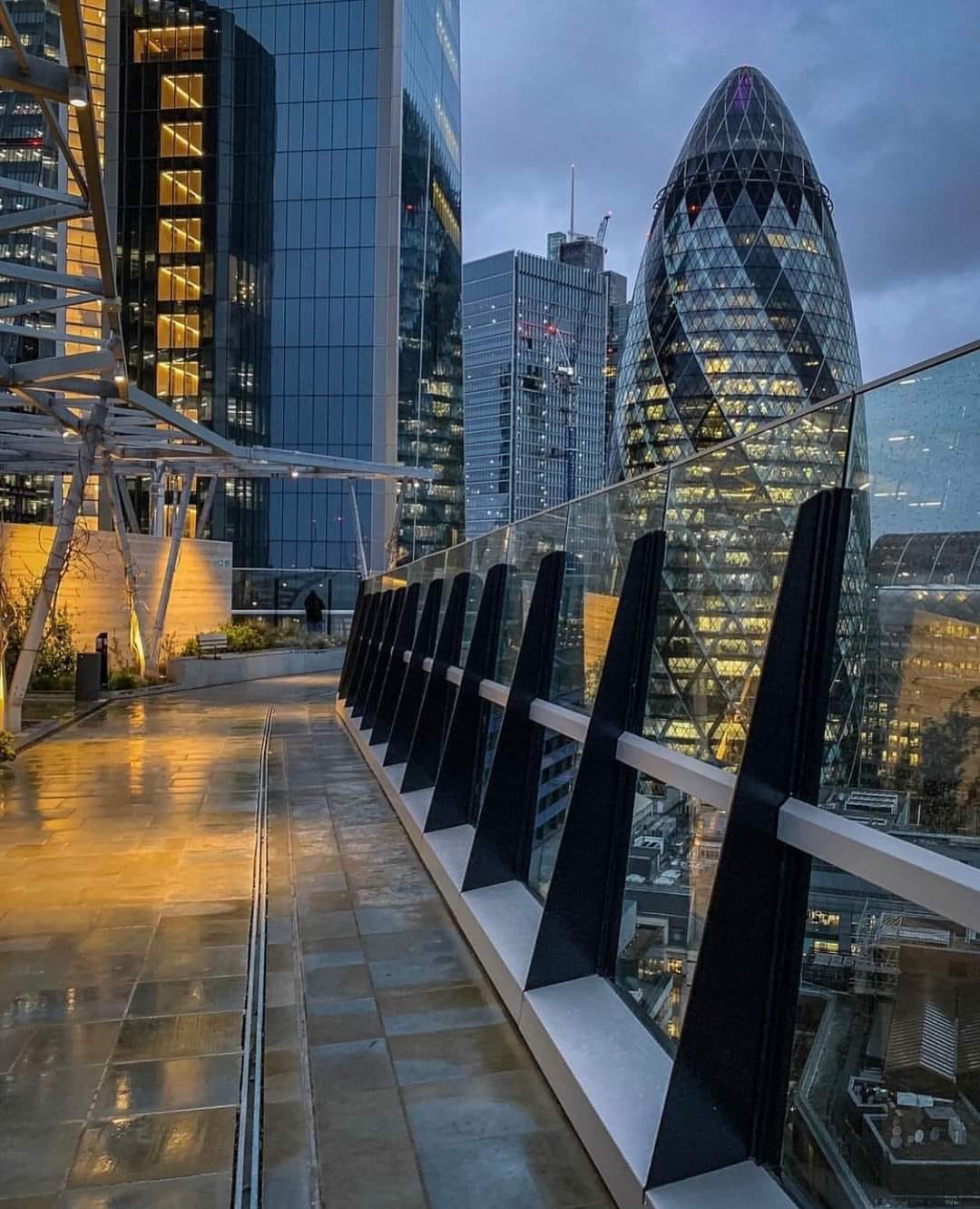
| MBCC “Doing Business with Mongolia seminar and Christmas Receptiom” Dec 10. 2025 London UK | MBCCI | London UK Goodman LLC |
NEWS

Trade Balance Reaches USD 4.5 Billion Surplus, Increasing 4.2 Times YoY www.montsame.mn
Weekly Stock Market and Economic Review
(July 19, 2026 - July 26, 2026)
MONGOLIAN STOCK EXCHANGE
Last week, a total of 4.7 million securities worth MNT 10.8 billion were traded on the Mongolian Stock Exchange (MSE). In terms of trading value, BDSec JSC, Invescore NBFI JSC, Ard Financial Group JSC, Khan Bank JSC, and Golomt Bank JSC were the most actively traded securities.
During this period, four block trades were executed:
• BDSec JSC (BDS): 325,464 shares at MNT 1,266 per share, totaling MNT 412.0 million;
• Invescore NBFI JSC (INV): 39,225 shares at MNT 7,650 per share, totaling MNT 300.1 million;
• Invescore NBFI JSC (INV): 84,510 shares at MNT 10,650 per share, totaling MNT 900.0 million;
• Ard Financial Group JSC (AARD): 193,814 shares at MNT 3,000 per share, totaling MNT 581.4 million.
The MSE indices closed with mixed performance. The TOP-20 index grew by 2.02 percent, and the MSE A index increased by 1.43 percent. Conversely, the MSE B index fell by 0.73 percent, and the FTI index declined by 0.51 percent.
Buying interest was relatively strong for the shares of leading and large-cap companies, while selling pressure mounted on small and mid-cap stocks, resulting in mixed price movements at the close. The 0.51 percent drop in the FTI index indicated a slight weakening in the valuation of investment fund units.
XACBANK JSC TO RE-IMPLEMENT SHARE BUYBACK PROGRAM
XacBank JSC has decided to re-implement its share buyback program to increase stock liquidity for minority shareholders. Initially launched in 2024, the program will continue for another 12 months starting from July 23, 2026, in accordance with the approval of the Bank of Mongolia and the decision of the Board of Directors.
The buyback operations will be conducted on the open market through the Mongolian Stock Exchange, with plans to purchase up to 7.5 million shares at a maximum price of MNT 1,200 per share. The program's total funding will be up to MNT 9.0 billion and remains valid until July 22, 2027.
The program may terminate prior to its expiration date if the planned number of shares is fully acquired or if the allocated budget is completely utilized.
MONGOLIA’S FOREIGN TRADE TURNOVER CONTINUES TO GROW
In the first 6.5 months of 2026, Mongolia’s foreign trade turnover reached USD 17.6 billion, a 35.9 percent increase compared to the same period last year. Exports grew by 57.5 percent, and imports rose by 10.5 percent. The trade balance recorded a surplus of USD 4.5 billion, representing a 4.2-fold increase year-on-year.
Copper ore and concentrate led exports, reaching an export value of USD 4.9 billion (+93 percent). Coal exports amounted to USD 4.2 billion (+57 percent), and combed cashmere almost doubled to USD 124.8 million. While the export value of gold remained stable, the exported volume showed a decline.
On the import side, diesel fuel purchases increased to USD 976.9 million (+50.5 percent) and motor gasoline to USD 376.0 million (+23 percent), whereas passenger car imports decreased to USD 553.8 million (-22.6 percent).
Strong growth in mining exports, particularly copper, coal, and cashmere, pushed Mongolia’s trade balance to a historic high. Import growth was largely limited to fuel, while declines in passenger car and rice imports indicated a weakening in certain consumer categories.
NEXT TRADING OF GOVERNMENT SECURITIES CONTINUES
During the primary market trading on July 22, 2026, the Government's 5-year coupon bonds and 52-week discounted securities were successfully traded, and secondary market trading has commenced. Investors can participate in the remaining trades through MICC.
By Enkh-Od.G

In Mongolia, a global technology for "burning" cancer cells with heat is being implemented www.open.kg
The Ministry of Health of Mongolia and the South Korean company "AdipoLABS" have signed a cooperation agreement. As part of this agreement, modern medical equipment for high-frequency hyperthermia — the "REMISSION 1°C" device — has been transferred to the Regional Center for Oncology Diagnosis and Treatment in Erdenet. This initiative will significantly improve access to advanced oncotherapy for residents of rural areas in Mongolia.
The cost of this high-tech device on the international market ranges from $80,000 to over $150,000, which is equivalent to approximately ₮270–₮500 million. The introduction of such equipment in the region is a key moment that will enhance support for patients with oncological diseases.
What is the "REMISSION 1°C" device and how does it work?
This technology targets a vulnerable spot in oncology: cancer cells are more sensitive to high temperatures compared to healthy cells. The device generates radiofrequency heat in the range of 39°C to 45°C, without causing muscle contractions. Temperatures above 42°C destroy the structure of tumor cells, disrupt their blood supply, and lead to cell death.
Advantages of the technology
• Activation of the immune system: Increasing the body's baseline temperature by 1°C can enhance the activity of immune cells by 3–5 times.
• Improved treatment efficacy: By increasing blood microcirculation, chemotherapy penetrates the tumor better, and radiation therapy achieves maximum effect.
• Pain reduction: The device significantly alleviates pain syndrome in advanced stages, improving the quality of life for patients.
Executive Director of "AdipoLABS" Han Sun Ho.
With the implementation of "REMISSION 1°C," citizens of Mongolia no longer need to travel abroad for high-tech thermal treatment, which costs between $300 to $400 per session — now such therapy is available at home.
“We are pleased to provide Mongolia with our high-temperature thermal therapy device Remission 1, opening new horizons in the treatment of oncological diseases. I am confident that this donation will have a significant impact on therapy and help many patients in Mongolia,” noted the Executive Director of "AdipoLABS," Han Sun Ho.
...
4,127 Delegates Officially Registered for COP17 www.montsame.mn
As of today, a total of 4,127 participants have officially registered with the Secretariat of the United Nations Convention to Combat Desertification (UNCCD) to attend the 17th session of the Conference to the Parties (COP17), which Mongolia will host in Ulaanbaatar.
The number has increased by more than 1,000 within a week, up from 2,836 registered participants reported last week. The National Committee for organizing COP17 clarified that the previously announced figure of approximately 2,800 participants reflected the registration status at that time.
The number of registered participants is expected to continue rising as the conference approaches. Delegates register directly with the UNCCD Secretariat, which regularly provides updated registration figures to the Mongolian organizers.
As of now, the 4,127 registered participants include:
• 1,137 representatives of State Parties;
• 2,100 representatives of observer organizations;
• 112 high-level delegates; and
• 763 participants in other categories.
Among the confirmed high-level participants are:
• One Deputy Prime Minister;
• 66 ministers responsible for environment and other sectors;
• 29 deputy ministers;
• Four former presidents;
• Five senior representatives of UN agencies; and
• Five vice presidents of international banking and financial institutions.
In addition, former presidents of the Republic of Korea, the Republic of Costa Rica, and the Republic of Finland have officially confirmed their participation in COP17.
By Unurzul.M
...
Coal output surges rises 49% y-o-y to record high in H1CY'26 www.bigmint.co
• Hard coal output rises 63% y-o-y, lignite production declines by 12%
• China's Mongolian coal imports rise 61%, lifting share in total to 27%
Mongolia's output of coal and lignite totalled 60.96 million tonnes (mnt) in the first half of 2026, up 49% from the same period last year, Mysteel Global calculated based on monthly data from Mongolia's National Statistical Office (NSO).
With its monthly production hovering at historical highs over January-June, Mongolia's total H1 output of coal and lignite also set a record high for the period, Mysteel Global notes.
However, in its June bulletin, the NSO put the country's H1 coal and lignite output even higher at 62.48 mnt, Mysteel Global notes. Among the total, hard coal (including coking and thermal coal grades) reached 57.43 mnt, up 62.8% on year. In contrast, lignite output dropped 11.6% on year to 5.05 mnt in H1, the data showed.
Surging output enabled Mongolia to export more coal during January-June to the benefit of China -- the destination for almost all outbound Mongolian coal.
During H1, China received 59.82 mnt of Mongolian coal, up 60.7% from the import total during January-June last year, according to data from China's General Administration of Customs (GACC), as Mysteel Global reported earlier this month.
As such, the share of Mongolian coal in China's total H1 coal imports also grew to 26.5% from last year's 16.8%, the GACC data show. This also pointed to China's growing reliance on Mongolian coal as a major substitute to flatten out fluctuations in its domestic coal supplies, Mysteel Global notes.
Note: This article has been published in accordance with a content exchange agreement between Mysteel Global and BigMint.
...
Asian Development Bank discussing Risk-Layered disaster risk transfer with Mongolia www.artemis.bm
The Asian Development Bank is working with Mongolia on the potential to replicate the Risk-Layered Disaster Relief Finance Program it recently implemented for the Kyrgyz Republic and Tajikistan, which puts sovereign parametric risk transfer instruments including catastrophe bonds as part of the conversation.
Recall that the Asian Development Bank (ADB) implemented its first Risk-Layered Disaster Relief Finance Program in those two countries earlier this year, with the project combining Contingent Disaster Financing (CDF) and the first Disaster Relief Bonds (DRB) (or catastrophe bonds) directly issued by the Bank.
The two sovereign catastrophe bonds secured $160 million of capital market-backed parametric earthquake and extreme precipitation disaster risk financing, evenly split between the Asian Development Bank – Kyrgyz Republic 2026 and Asian Development Bank – Tajikistan 2026 cat bond issuances.
As the Asian Development Bank (ABD) now looks to continue this disaster risk financing work with more of the natural hazard exposed countries it counts as members, Mongolia is the next deemed well-suited to the Risk-Layered Disaster Relief Finance Program approach.
Mongolia faces a range of natural disaster and climate risk related threats, from earthquakes to floods caused by extreme precipitation and snow melt, dust storms, droughts and wildfires.
The country has seen an increasing frequency of losses caused by these hazards and in some cases this has stretched the government’s resources to respond. At the same time, Mongolia is undergoing a rapid urban development in some areas, which further elevates its exposure to extreme natural hazard events.
The Asian Development Bank (ADB) has now begun a new project that involves discussions with the Government of Mongolia on the replication of the Risk-Layered Disaster Relief Finance Program that it implemented for the Kyrgyz Republic and Tajikistan.
This will include an analysis and exploration of options for strengthening Mongolia’s own risk layered disaster risk financing architecture, while the ADB will take its learnings from the successful implementation in Kyrgyz Republic and Tajikistan to asses what type of financial instruments might be feasible.
The ADB will work with Mongolia to help it understand the institutional requirements for adopting structured disaster risk financing instruments, including design considerations, legal and regulatory needs and guide the country on how sovereign level disaster risk financing can be integrated into its climate and resilience strategy.
There’s no certainty catastrophe bonds would prove suited to become part of Mongolia’s disaster risk financing arrangements, but they will surely be part of the conversation after the ADB’s recent successful first issuances.
Exactly what risk transfer structures are considered or implemented will come down to Mongolia’s risk profile, structuring considerations and feasibility, and which markets might be most appropriate for transferring disaster risks to.
Sovereign parametric insurance arrangements in their broader formats are likely to be in the discussion as well. Mongolia has some history with parametric microinsurance programs that have been targeted for specific sectors of the economy, so the government has some experience there.
It’s encouraging to learn that the Asian Development Bank is taking the experience of its first implementation of the Risk-Layered Disaster Relief Finance Program forward to other member countries and it suggests the cat bonds could be replicated in time, for the countries with the right peril profile and levels of disaster risk management maturity.
In addition, the ADB is also working with Kazakhstan, another country with high natural peril exposure, to develop disaster risk management and financing frameworks, that is expected to include a contingent disaster financing instrument. Again, it’s good to see the ADB expanding its disaster risk finance work with its members to help them secure capital instruments that can respond when major events impact their economies.
Author: Steve Evans

Surveillance cameras in prohibited areas removed www.ubpost.mn
The National Human Rights Commission of Mongolia (NHRCM), working in cooperation with the National Police Agency, has completed a nationwide inspection targeting the unlawful use of surveillance cameras in locations where individuals are entitled to privacy, resulting in the removal of hundreds of illegally installed cameras and the issuance of substantial fines.
The inspection was carried out under Section 27.8 of the Law on Personal Data Protection, which authorizes the Commission to monitor whether audio, video, and audiovisual recording systems are being used lawfully within specific activities and to conduct joint inspections with the police.
The investigation focused on reports that some public service providers had installed surveillance cameras in rooms and spaces considered part of customers' private areas, where recording is prohibited under the law.
A total of 740 police officers (counted cumulatively) participated in the inspection, which covered 4,148 individuals, businesses, and organizations across the country. As a result, authorities identified 127 organizations that had installed surveillance cameras in prohibited locations. A total of 286 cameras were ordered removed, and all 127 organizations received official notices requiring them to prevent similar violations in the future.
In addition, 352 individuals and legal entities were instructed to remedy other violations related to the use of surveillance systems, with authorities confirming that the required corrective measures had been implemented.
The inspection covered a broad range of establishments, including 2,458 businesses serving alcoholic beverages, 1,156 facilities such as beauty salons, wellness and relaxation centers, saunas, and hotels, and 534 organizations, including student dormitories and other institutions. Authorities also imposed administrative penalties on organizations and individuals that failed to comply with legal requirements.
A total of 210 individuals and legal entities that failed to correct violations within the prescribed deadline were fined a combined 210 million MNT.
Additionally, 12 individuals and legal entities were fined a total of 60 million MNT for illegally taking photographs or making audio, video, or audiovisual recordings without authorization. Overall, the inspection resulted in 270 million MNT in administrative fines.
NHRCM expressed its appreciation to the National Police Agency for its effective cooperation in enforcing the Law on Personal Data Protection, noting that the joint operation led to the removal of 286 surveillance cameras from prohibited locations and contributed to strengthening the protection of citizens' privacy rights.
...
Flood Warning Issued: River Levels Continue to Rise Across Mongolia www.montsame.mn
Authorities have issued a flood warning as water levels continue to rise in several rivers across Mongolia following recent rainfall.
As of July 28, water levels have risen by 10 to 55 centimeters from the previous day in the Selenge River at Khyalgant bagh, Selenge aimag, and other rivers such as Chuluut, Baidrag, and Tsagaanturuut rivers.
For July 29, water levels are forecast to increase by an additional 10–20 cm in the river mentioned above: Selenge River near Zuunburen soum, Selenge aimag; Chuluut River near Undur-Ulaan soum, Arkhangai aimag; Baidrag River of Buutsagaan soum, Bayankhongor aimag.
Meanwhile, the Kharkhiraa River near Tarialan soum, Uvs aimag, and the Tuul River near Lun soum, Tuv aimag, remain 5–10 cm above the flood level and continue to carry high volumes of water.
Authorities are urging people traveling, camping, or spending time along riverbanks to avoid setting up camps near rivers, keep a close watch on young children, and refrain from entering rivers until water levels subside.

Mongolia Receives 417.6 Thousand Tourists in First Half of the Year www.montsame.mn
Mongolia welcomed 417.6 thousand tourists in the first half of 2026, representing a 27.2 percent increase over the same period in the previous year.
In the first half of this year, the highest number of tourists, or 154.8 thousand, visited the country from the Russian Federation.
According to the National Statistics Office, the top 10 countries by tourist arrivals to Mongolia in the first half of 2026 were as follows:
Russia – 54.8 thousand tourists
China – 115.8 thousand tourists
South Korea – 55.2 thousand tourists
Japan – 14.0 thousand tourists
Kazakhstan – 9.1 thousand tourists
USA – 9.0 thousand tourists
Germany – 8.9 thousand tourists
Turkey – 6.9 thousand tourists
Taiwan – 4.3 thousand tourists
Belarus – 3.7 thousand tourists

Mongolia, Japan to Expand Cooperation in E-Governance, Renewable Energy, and Startups www.montsame.mn
Prime Minister of Mongolia Uchral Nyam-Osor received Ambassador of Japan to Mongolia Igawahara Masaru on July 27, 2026.
During the meeting, Prime Minister Uchral noted that deepening friendly relations and cooperation with Mongolia’s "third neighbor," Japan, remains a top foreign policy priority for Mongolia. He highlighted that bilateral relations are successfully advancing under the "Special Strategic Partnership for Peace and Prosperity."
Emphasizing the importance of further strengthening political ties and maintaining the frequency of high-level visits, the Prime Minister expressed Mongolia's commitment to expanding cooperation in e-governance, information technology, renewable energy, and startups. This aligns with the Japanese Government’s policy on products and technology across 17 strategic priority sectors.
For his part, Ambassador Igawahara Masaru discussed promptly executing preparatory work for the expansion project of Chinggis Khaan International Airport, a symbol of Mongolia-Japan cooperation under the Official Development Assistance (ODA) of Japanese soft yen loan. He also reaffirmed Japan’s commitment to actively collaborating on joint initiatives, including the project to enhance the training environment for engineers through Japanese-style engineering and technology education.
Prime Minister Uchral stated that he would pay special attention to the proposals and issues raised by Ambassador Igawahara Masaru and direct relevant authorities to resolve them without delay, reported the Media and Public Relations Department of the State Great Khural.
...
Shen Minjuan: China Stands Ready to Join Hands With Mongolia in Pursuing Modernization Paths www.montsame.mn
After two years and ten months in Mongolia, outgoing Chinese Ambassador Shen Minjuan looks back on the bonds and cooperation built between the two countries — and on major infrastructure projects now taking shape, from the Gantsmod-Gashuunsuhait cross-border railway to the long-awaited Erdeneburen hydropower plant. Her regrets are modest: four aimags she never reached, and a language she never quite mastered. In this installment of "Posted In," she reflects on Mongol proverbs that guided her posting, the projects breaking ground after decades of planning, and a bilateral trade relationship racing toward two historic milestones. Above all, she returns again and again to a single image — the bowl of airag offered in every ger — as the truest measure of the friendship between China and Mongolia.
-What initiative or work are you most proud of during your tenure?
-In a country as open and dynamic as Mongolia, two years and ten months can hold a lot.
I saw the frequent high-level exchanges between our two countries. Less than one month after my arrival, I had the privilege of accompanying President Khurelsukh Ukhnaa to Beijing for the Third Belt and Road Forum. And one month before my departure, I accompanied Prime Minister Uchral Nyam-Osor to Dalian for the Summer Davos, let alone last year's SCO Summit, the Victory Day celebrations, or earlier visits for the Asian Winter Games and the China International Import Expo. And these were only the visits by the President and the Prime Minister. Exchanges at all levels of government and among party leaders were even more frequent and wide-ranging.
I saw major projects launch one after another. After 70 years, the second railway, the Gantsmod-Gashuunsuhait cross-border railway, has begun to take shape. The Erdeneburen hydro power plant, which has been planned for more than half a century, is now under construction in the mountains of the western region.
Ulaanbaatar has always been the top priority of our cooperation. Back in the 1950s to 60s, Chinese aid workers here built the Peace Bridge, the State Department Store, the National Sports Stadium and so on. In the recent two years, projects such as the Green Lake 1008 Households and the New Central Wastewater Treatment Plant have been completed. And there are more China-aid projects coming, including the Presidential Sports Complex, the Desertification Prevention and Control Center and the National Art Theatre. These landmarks travel through history, telling stories of our friendship.
What particularly gratifies me is that our two countries have agreed to build a memorial cemetery for the Chinese aid workers, so that we can present this cherished memory and remember their historic contributions.
I am also delighted that together with the Mongolia-China Friendship Association, we built the China-Mongolia Friendship Park in the National Park, where a lovely panda and mazaalai bear sculpture welcome everyone.
I saw the rapid growth of our bilateral trade after the pandemic. We almost reached 20% when I arrived, and hit 50% in the first half of this year. It's undoubtable that we will achieve two milestones this year: USD 20 billion bilateral trade and 100-million-ton coal exports to China.
This year marks the 105th anniversary of the founding of the CPC and the beginning of China's 15th Five-Year Plan. In the first half of this year, China's economy grew by 4.7%. New growth drivers, represented by high-end manufacturing, the digital and intelligent economy, and modern services, contributed more than 40% of economic growth. Innovation-driven development is creating "China Opportunity 2.0" for the world.
Just a week ago, China hosted the 2026 World Artificial Intelligence Conference, where the world's first intergovernmental international organization on AI—WAICO (World AI Cooperation Organization)—was established. Together with all sides, China is committed to a people-centered approach and developing AI for the positive and for good.
Mongolia is also pushing its AI development. I'm very confident that we will create new growth engines in AI, the digital economy, and other emerging industries, creating "China-Mongolia Cooperation Opportunity 2.0." China stands ready to join hands with Mongolia in pursuing modernization paths suited to our respective national conditions.
During your time in Mongolia, which Mongol tradition resonated with you the most?
I like the Mongol airag very much—not just for its refreshingly tangy taste, but also because it embodies the wisdom of the nomadic way of life. My Mongol friends told me that airag, fermented from mare's milk, is easier to preserve, supports digestion, and promotes health. It's basically the "liquid gold" that has become an essential part of life on the steppe. Airag represents the highest form of respect in Mongolia and is woven into every important moment of people's lives.
Airag grows richer with time, just like friendship. Every time I stepped into a ger, the host would warmly offer me a big bowl of airag. So, to me, airag also represents the goodwill that Mongol friends carry for China and symbolizes Mongolia's aspirations for stronger bilateral ties. I truly believe that as our cooperation deepens and exchanges grow closer, more and more people will experience this hospitality and blessing from the steppe.
-Seeing how much fond memories you have, any Mongol saying, teaching, or figure of speech that you took to heart?
-There is a Mongol proverb that I often quote: "Neighbors are connected at heart and share a common destiny." We have a similar saying in China: "A close neighbor is better than a distant relative." The two sayings echo each other in spirit, and they perfectly capture the essence of the China-Mongolia comprehensive strategic partnership.
I'm honored to add another chapter to our friendship following the story of "gifts of sheep and tea" during the pandemic. I still remember that during my first winter here, Mongolia was struck by the worst dzud in half a century. Governments at all levels in China and our Red Cross Society provided donations and relief supplies ASAP, and Chinese companies in Mongolia devoted themselves to local rescue.
Recently, when a foot-and-mouth disease broke out in Mongolia, China immediately provided 1.6 million doses of vaccine, which only took less than a week from order to on-site vaccination. I'm pleased to see that all the doses have now been administered, and the outbreak has been effectively brought under control.
Together with the Mongolian Red Cross Society, we've been helping children with congenital heart disease and elderly cataract patients and carrying out projects to strengthen climate resilience of herders, funded by CIDCA.
And those are just a few of the many stories. China is a partner that Mongolia can truly trust and rely on—we will always lend a helping hand when Mongolia needs it most. We are committed to join hands with Mongolia and connect our hearts, working together to enhance the well-being of both our peoples.
-Thank you for your time. As you end your tenure, what advice would you give your successor, or what advice would you give yourself if you could go back to when you first arrived in Mongolia?
-The two years and ten months I spent in Mongolia were both fulfilling and wonderful, but I also have many regrets. I haven’t visited every aimag—there are still four I haven’t been to. I haven’t had enough Naadam khuushuur and airag, and I never managed to learn Mongolian. If I could go back to when I first arrived in Mongolia, I would tell myself to make the most of every holiday—every Naadam, and every Tsagaan Sar—to travel farther and see more. I would also urge myself to work harder at learning Mongolian, so that I could have more face-to-face conversations with Mongol friends and better serve as a bridge of friendship and mutual understanding between China and Mongolia.
...- «
- 1
- 2
- 3
- 4
- 5
- 6
- 7
- 8
- 9
- 10
- 11
- 12
- 13
- 14
- 15
- 16
- 17
- 18
- 19
- 20
- 21
- 22
- 23
- 24
- 25
- 26
- 27
- 28
- 29
- 30
- 31
- 32
- 33
- 34
- 35
- 36
- 37
- 38
- 39
- 40
- 41
- 42
- 43
- 44
- 45
- 46
- 47
- 48
- 49
- 50
- 51
- 52
- 53
- 54
- 55
- 56
- 57
- 58
- 59
- 60
- 61
- 62
- 63
- 64
- 65
- 66
- 67
- 68
- 69
- 70
- 71
- 72
- 73
- 74
- 75
- 76
- 77
- 78
- 79
- 80
- 81
- 82
- 83
- 84
- 85
- 86
- 87
- 88
- 89
- 90
- 91
- 92
- 93
- 94
- 95
- 96
- 97
- 98
- 99
- 100
- 101
- 102
- 103
- 104
- 105
- 106
- 107
- 108
- 109
- 110
- 111
- 112
- 113
- 114
- 115
- 116
- 117
- 118
- 119
- 120
- 121
- 122
- 123
- 124
- 125
- 126
- 127
- 128
- 129
- 130
- 131
- 132
- 133
- 134
- 135
- 136
- 137
- 138
- 139
- 140
- 141
- 142
- 143
- 144
- 145
- 146
- 147
- 148
- 149
- 150
- 151
- 152
- 153
- 154
- 155
- 156
- 157
- 158
- 159
- 160
- 161
- 162
- 163
- 164
- 165
- 166
- 167
- 168
- 169
- 170
- 171
- 172
- 173
- 174
- 175
- 176
- 177
- 178
- 179
- 180
- 181
- 182
- 183
- 184
- 185
- 186
- 187
- 188
- 189
- 190
- 191
- 192
- 193
- 194
- 195
- 196
- 197
- 198
- 199
- 200
- 201
- 202
- 203
- 204
- 205
- 206
- 207
- 208
- 209
- 210
- 211
- 212
- 213
- 214
- 215
- 216
- 217
- 218
- 219
- 220
- 221
- 222
- 223
- 224
- 225
- 226
- 227
- 228
- 229
- 230
- 231
- 232
- 233
- 234
- 235
- 236
- 237
- 238
- 239
- 240
- 241
- 242
- 243
- 244
- 245
- 246
- 247
- 248
- 249
- 250
- 251
- 252
- 253
- 254
- 255
- 256
- 257
- 258
- 259
- 260
- 261
- 262
- 263
- 264
- 265
- 266
- 267
- 268
- 269
- 270
- 271
- 272
- 273
- 274
- 275
- 276
- 277
- 278
- 279
- 280
- 281
- 282
- 283
- 284
- 285
- 286
- 287
- 288
- 289
- 290
- 291
- 292
- 293
- 294
- 295
- 296
- 297
- 298
- 299
- 300
- 301
- 302
- 303
- 304
- 305
- 306
- 307
- 308
- 309
- 310
- 311
- 312
- 313
- 314
- 315
- 316
- 317
- 318
- 319
- 320
- 321
- 322
- 323
- 324
- 325
- 326
- 327
- 328
- 329
- 330
- 331
- 332
- 333
- 334
- 335
- 336
- 337
- 338
- 339
- 340
- 341
- 342
- 343
- 344
- 345
- 346
- 347
- 348
- 349
- 350
- 351
- 352
- 353
- 354
- 355
- 356
- 357
- 358
- 359
- 360
- 361
- 362
- 363
- 364
- 365
- 366
- 367
- 368
- 369
- 370
- 371
- 372
- 373
- 374
- 375
- 376
- 377
- 378
- 379
- 380
- 381
- 382
- 383
- 384
- 385
- 386
- 387
- 388
- 389
- 390
- 391
- 392
- 393
- 394
- 395
- 396
- 397
- 398
- 399
- 400
- 401
- 402
- 403
- 404
- 405
- 406
- 407
- 408
- 409
- 410
- 411
- 412
- 413
- 414
- 415
- 416
- 417
- 418
- 419
- 420
- 421
- 422
- 423
- 424
- 425
- 426
- 427
- 428
- 429
- 430
- 431
- 432
- 433
- 434
- 435
- 436
- 437
- 438
- 439
- 440
- 441
- 442
- 443
- 444
- 445
- 446
- 447
- 448
- 449
- 450
- 451
- 452
- 453
- 454
- 455
- 456
- 457
- 458
- 459
- 460
- 461
- 462
- 463
- 464
- 465
- 466
- 467
- 468
- 469
- 470
- 471
- 472
- 473
- 474
- 475
- 476
- 477
- 478
- 479
- 480
- 481
- 482
- 483
- 484
- 485
- 486
- 487
- 488
- 489
- 490
- 491
- 492
- 493
- 494
- 495
- 496
- 497
- 498
- 499
- 500
- 501
- 502
- 503
- 504
- 505
- 506
- 507
- 508
- 509
- 510
- 511
- 512
- 513
- 514
- 515
- 516
- 517
- 518
- 519
- 520
- 521
- 522
- 523
- 524
- 525
- 526
- 527
- 528
- 529
- 530
- 531
- 532
- 533
- 534
- 535
- 536
- 537
- 538
- 539
- 540
- 541
- 542
- 543
- 544
- 545
- 546
- 547
- 548
- 549
- 550
- 551
- 552
- 553
- 554
- 555
- 556
- 557
- 558
- 559
- 560
- 561
- 562
- 563
- 564
- 565
- 566
- 567
- 568
- 569
- 570
- 571
- 572
- 573
- 574
- 575
- 576
- 577
- 578
- 579
- 580
- 581
- 582
- 583
- 584
- 585
- 586
- 587
- 588
- 589
- 590
- 591
- 592
- 593
- 594
- 595
- 596
- 597
- 598
- 599
- 600
- 601
- 602
- 603
- 604
- 605
- 606
- 607
- 608
- 609
- 610
- 611
- 612
- 613
- 614
- 615
- 616
- 617
- 618
- 619
- 620
- 621
- 622
- 623
- 624
- 625
- 626
- 627
- 628
- 629
- 630
- 631
- 632
- 633
- 634
- 635
- 636
- 637
- 638
- 639
- 640
- 641
- 642
- 643
- 644
- 645
- 646
- 647
- 648
- 649
- 650
- 651
- 652
- 653
- 654
- 655
- 656
- 657
- 658
- 659
- 660
- 661
- 662
- 663
- 664
- 665
- 666
- 667
- 668
- 669
- 670
- 671
- 672
- 673
- 674
- 675
- 676
- 677
- 678
- 679
- 680
- 681
- 682
- 683
- 684
- 685
- 686
- 687
- 688
- 689
- 690
- 691
- 692
- 693
- 694
- 695
- 696
- 697
- 698
- 699
- 700
- 701
- 702
- 703
- 704
- 705
- 706
- 707
- 708
- 709
- 710
- 711
- 712
- 713
- 714
- 715
- 716
- 717
- 718
- 719
- 720
- 721
- 722
- 723
- 724
- 725
- 726
- 727
- 728
- 729
- 730
- 731
- 732
- 733
- 734
- 735
- 736
- 737
- 738
- 739
- 740
- 741
- 742
- 743
- 744
- 745
- 746
- 747
- 748
- 749
- 750
- 751
- 752
- 753
- 754
- 755
- 756
- 757
- 758
- 759
- 760
- 761
- 762
- 763
- 764
- 765
- 766
- 767
- 768
- 769
- 770
- 771
- 772
- 773
- 774
- 775
- 776
- 777
- 778
- 779
- 780
- 781
- 782
- 783
- 784
- 785
- 786
- 787
- 788
- 789
- 790
- 791
- 792
- 793
- 794
- 795
- 796
- 797
- 798
- 799
- 800
- 801
- 802
- 803
- 804
- 805
- 806
- 807
- 808
- 809
- 810
- 811
- 812
- 813
- 814
- 815
- 816
- 817
- 818
- 819
- 820
- 821
- 822
- 823
- 824
- 825
- 826
- 827
- 828
- 829
- 830
- 831
- 832
- 833
- 834
- 835
- 836
- 837
- 838
- 839
- 840
- 841
- 842
- 843
- 844
- 845
- 846
- 847
- 848
- 849
- 850
- 851
- 852
- 853
- 854
- 855
- 856
- 857
- 858
- 859
- 860
- 861
- 862
- 863
- 864
- 865
- 866
- 867
- 868
- 869
- 870
- 871
- 872
- 873
- 874
- 875
- 876
- 877
- 878
- 879
- 880
- 881
- 882
- 883
- 884
- 885
- 886
- 887
- 888
- 889
- 890
- 891
- 892
- 893
- 894
- 895
- 896
- 897
- 898
- 899
- 900
- 901
- 902
- 903
- 904
- 905
- 906
- 907
- 908
- 909
- 910
- 911
- 912
- 913
- 914
- 915
- 916
- 917
- 918
- 919
- 920
- 921
- 922
- 923
- 924
- 925
- 926
- 927
- 928
- 929
- 930
- 931
- 932
- 933
- 934
- 935
- 936
- 937
- 938
- 939
- 940
- 941
- 942
- 943
- 944
- 945
- 946
- 947
- 948
- 949
- 950
- 951
- 952
- 953
- 954
- 955
- 956
- 957
- 958
- 959
- 960
- 961
- 962
- 963
- 964
- 965
- 966
- 967
- 968
- 969
- 970
- 971
- 972
- 973
- 974
- 975
- 976
- 977
- 978
- 979
- 980
- 981
- 982
- 983
- 984
- 985
- 986
- 987
- 988
- 989
- 990
- 991
- 992
- 993
- 994
- 995
- 996
- 997
- 998
- 999
- 1000
- 1001
- 1002
- 1003
- 1004
- 1005
- 1006
- 1007
- 1008
- 1009
- 1010
- 1011
- 1012
- 1013
- 1014
- 1015
- 1016
- 1017
- 1018
- 1019
- 1020
- 1021
- 1022
- 1023
- 1024
- 1025
- 1026
- 1027
- 1028
- 1029
- 1030
- 1031
- 1032
- 1033
- 1034
- 1035
- 1036
- 1037
- 1038
- 1039
- 1040
- 1041
- 1042
- 1043
- 1044
- 1045
- 1046
- 1047
- 1048
- 1049
- 1050
- 1051
- 1052
- 1053
- 1054
- 1055
- 1056
- 1057
- 1058
- 1059
- 1060
- 1061
- 1062
- 1063
- 1064
- 1065
- 1066
- 1067
- 1068
- 1069
- 1070
- 1071
- 1072
- 1073
- 1074
- 1075
- 1076
- 1077
- 1078
- 1079
- 1080
- 1081
- 1082
- 1083
- 1084
- 1085
- 1086
- 1087
- 1088
- 1089
- 1090
- 1091
- 1092
- 1093
- 1094
- 1095
- 1096
- 1097
- 1098
- 1099
- 1100
- 1101
- 1102
- 1103
- 1104
- 1105
- 1106
- 1107
- 1108
- 1109
- 1110
- 1111
- 1112
- 1113
- 1114
- 1115
- 1116
- 1117
- 1118
- 1119
- 1120
- 1121
- 1122
- 1123
- 1124
- 1125
- 1126
- 1127
- 1128
- 1129
- 1130
- 1131
- 1132
- 1133
- 1134
- 1135
- 1136
- 1137
- 1138
- 1139
- 1140
- 1141
- 1142
- 1143
- 1144
- 1145
- 1146
- 1147
- 1148
- 1149
- 1150
- 1151
- 1152
- 1153
- 1154
- 1155
- 1156
- 1157
- 1158
- 1159
- 1160
- 1161
- 1162
- 1163
- 1164
- 1165
- 1166
- 1167
- 1168
- 1169
- 1170
- 1171
- 1172
- 1173
- 1174
- 1175
- 1176
- 1177
- 1178
- 1179
- 1180
- 1181
- 1182
- 1183
- 1184
- 1185
- 1186
- 1187
- 1188
- 1189
- 1190
- 1191
- 1192
- 1193
- 1194
- 1195
- 1196
- 1197
- 1198
- 1199
- 1200
- 1201
- 1202
- 1203
- 1204
- 1205
- 1206
- 1207
- 1208
- 1209
- 1210
- 1211
- 1212
- 1213
- 1214
- 1215
- 1216
- 1217
- 1218
- 1219
- 1220
- 1221
- 1222
- 1223
- 1224
- 1225
- 1226
- 1227
- 1228
- 1229
- 1230
- 1231
- 1232
- 1233
- 1234
- 1235
- 1236
- 1237
- 1238
- 1239
- 1240
- 1241
- 1242
- 1243
- 1244
- 1245
- 1246
- 1247
- 1248
- 1249
- 1250
- 1251
- 1252
- 1253
- 1254
- 1255
- 1256
- 1257
- 1258
- 1259
- 1260
- 1261
- 1262
- 1263
- 1264
- 1265
- 1266
- 1267
- 1268
- 1269
- 1270
- 1271
- 1272
- 1273
- 1274
- 1275
- 1276
- 1277
- 1278
- 1279
- 1280
- 1281
- 1282
- 1283
- 1284
- 1285
- 1286
- 1287
- 1288
- 1289
- 1290
- 1291
- 1292
- 1293
- 1294
- 1295
- 1296
- 1297
- 1298
- 1299
- 1300
- 1301
- 1302
- 1303
- 1304
- 1305
- 1306
- 1307
- 1308
- 1309
- 1310
- 1311
- 1312
- 1313
- 1314
- 1315
- 1316
- 1317
- 1318
- 1319
- 1320
- 1321
- 1322
- 1323
- 1324
- 1325
- 1326
- 1327
- 1328
- 1329
- 1330
- 1331
- 1332
- 1333
- 1334
- 1335
- 1336
- 1337
- 1338
- 1339
- 1340
- 1341
- 1342
- 1343
- 1344
- 1345
- 1346
- 1347
- 1348
- 1349
- 1350
- 1351
- 1352
- 1353
- 1354
- 1355
- 1356
- 1357
- 1358
- 1359
- 1360
- 1361
- 1362
- 1363
- 1364
- 1365
- 1366
- 1367
- 1368
- 1369
- 1370
- 1371
- 1372
- 1373
- 1374
- 1375
- 1376
- 1377
- 1378
- 1379
- 1380
- 1381
- 1382
- 1383
- 1384
- 1385
- 1386
- 1387
- 1388
- 1389
- 1390
- 1391
- 1392
- 1393
- 1394
- 1395
- 1396
- 1397
- 1398
- 1399
- 1400
- 1401
- 1402
- 1403
- 1404
- 1405
- 1406
- 1407
- 1408
- 1409
- 1410
- 1411
- 1412
- 1413
- 1414
- 1415
- 1416
- 1417
- 1418
- 1419
- 1420
- 1421
- 1422
- 1423
- 1424
- 1425
- 1426
- 1427
- 1428
- 1429
- 1430
- 1431
- 1432
- 1433
- 1434
- 1435
- 1436
- 1437
- 1438
- 1439
- 1440
- 1441
- 1442
- 1443
- 1444
- 1445
- 1446
- 1447
- 1448
- 1449
- 1450
- 1451
- 1452
- 1453
- 1454
- 1455
- 1456
- 1457
- 1458
- 1459
- 1460
- 1461
- 1462
- 1463
- 1464
- 1465
- 1466
- 1467
- 1468
- 1469
- 1470
- 1471
- 1472
- 1473
- 1474
- 1475
- 1476
- 1477
- 1478
- 1479
- 1480
- 1481
- 1482
- 1483
- 1484
- 1485
- 1486
- 1487
- 1488
- 1489
- 1490
- 1491
- 1492
- 1493
- 1494
- 1495
- 1496
- 1497
- 1498
- 1499
- 1500
- 1501
- 1502
- 1503
- 1504
- 1505
- 1506
- 1507
- 1508
- 1509
- 1510
- 1511
- 1512
- 1513
- 1514
- 1515
- 1516
- 1517
- 1518
- 1519
- 1520
- 1521
- 1522
- 1523
- 1524
- 1525
- 1526
- 1527
- 1528
- 1529
- 1530
- 1531
- 1532
- 1533
- 1534
- 1535
- 1536
- 1537
- 1538
- 1539
- 1540
- 1541
- 1542
- 1543
- 1544
- 1545
- 1546
- 1547
- 1548
- 1549
- 1550
- 1551
- 1552
- 1553
- 1554
- 1555
- 1556
- 1557
- 1558
- 1559
- 1560
- 1561
- 1562
- 1563
- 1564
- 1565
- 1566
- 1567
- 1568
- 1569
- 1570
- 1571
- 1572
- 1573
- 1574
- 1575
- 1576
- 1577
- 1578
- 1579
- 1580
- 1581
- 1582
- 1583
- 1584
- 1585
- 1586
- 1587
- 1588
- 1589
- 1590
- 1591
- 1592
- 1593
- 1594
- 1595
- 1596
- 1597
- 1598
- 1599
- 1600
- 1601
- 1602
- 1603
- 1604
- 1605
- 1606
- 1607
- 1608
- 1609
- 1610
- 1611
- 1612
- 1613
- 1614
- 1615
- 1616
- 1617
- 1618
- 1619
- 1620
- 1621
- 1622
- 1623
- 1624
- 1625
- 1626
- 1627
- 1628
- 1629
- 1630
- 1631
- 1632
- 1633
- 1634
- 1635
- 1636
- 1637
- 1638
- 1639
- 1640
- 1641
- 1642
- 1643
- 1644
- 1645
- 1646
- 1647
- 1648
- 1649
- 1650
- 1651
- 1652
- 1653
- 1654
- 1655
- 1656
- 1657
- 1658
- 1659
- 1660
- 1661
- 1662
- 1663
- 1664
- 1665
- 1666
- 1667
- 1668
- 1669
- 1670
- 1671
- 1672
- 1673
- 1674
- 1675
- 1676
- 1677
- 1678
- 1679
- 1680
- 1681
- 1682
- 1683
- 1684
- 1685
- 1686
- 1687
- 1688
- 1689
- 1690
- 1691
- 1692
- 1693
- 1694
- 1695
- 1696
- 1697
- 1698
- 1699
- 1700
- 1701
- 1702
- 1703
- 1704
- 1705
- 1706
- 1707
- 1708
- 1709
- 1710
- 1711
- 1712
- 1713
- 1714
- 1715
- 1716
- 1717
- 1718
- 1719
- 1720
- 1721
- 1722
- 1723
- 1724
- 1725
- 1726
- 1727
- 1728
- 1729
- 1730
- 1731
- 1732
- 1733
- 1734
- 1735
- 1736
- 1737
- 1738
- 1739
- 1740
- 1741
- 1742
- 1743
- 1744
- 1745
- 1746
- 1747
- 1748
- 1749
- 1750
- 1751
- 1752
- 1753
- 1754
- 1755
- 1756
- 1757
- 1758
- 1759
- 1760
- 1761
- 1762
- 1763
- 1764
- 1765
- 1766
- 1767
- 1768
- 1769
- 1770
- 1771
- 1772
- 1773
- 1774
- 1775
- 1776
- 1777
- 1778
- 1779
- 1780
- 1781
- 1782
- 1783
- 1784
- 1785
- 1786
- 1787
- 1788
- 1789
- 1790
- 1791
- 1792
- 1793
- 1794
- 1795
- 1796
- 1797
- 1798
- 1799
- 1800
- 1801
- 1802
- 1803
- 1804
- 1805
- 1806
- 1807
- 1808
- 1809
- 1810
- 1811
- 1812
- 1813
- 1814
- 1815
- 1816
- 1817
- 1818
- 1819
- 1820
- 1821
- 1822
- 1823
- 1824
- 1825
- 1826
- 1827
- 1828
- 1829
- 1830
- 1831
- 1832
- 1833
- 1834
- 1835
- 1836
- »


